Last updated November 22, 2026
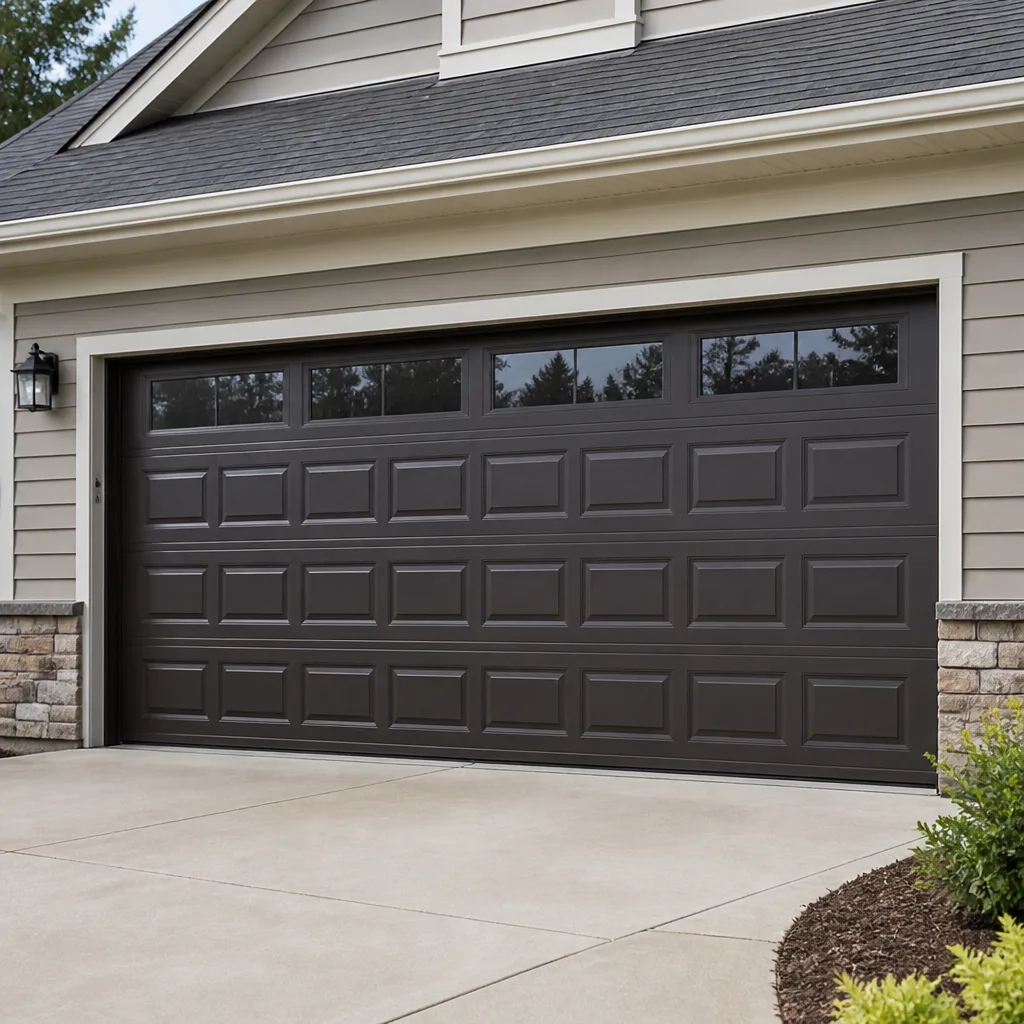 Raised-panel steel
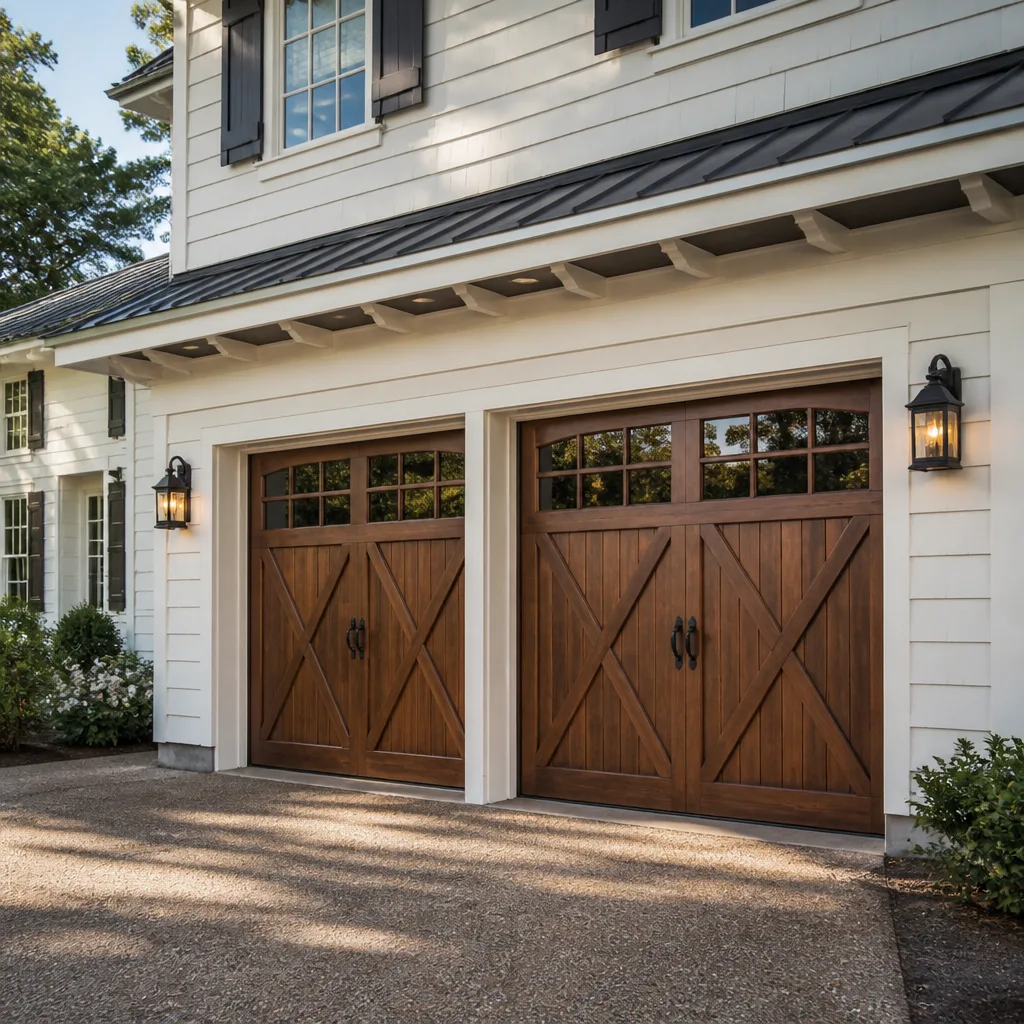 Carriage house
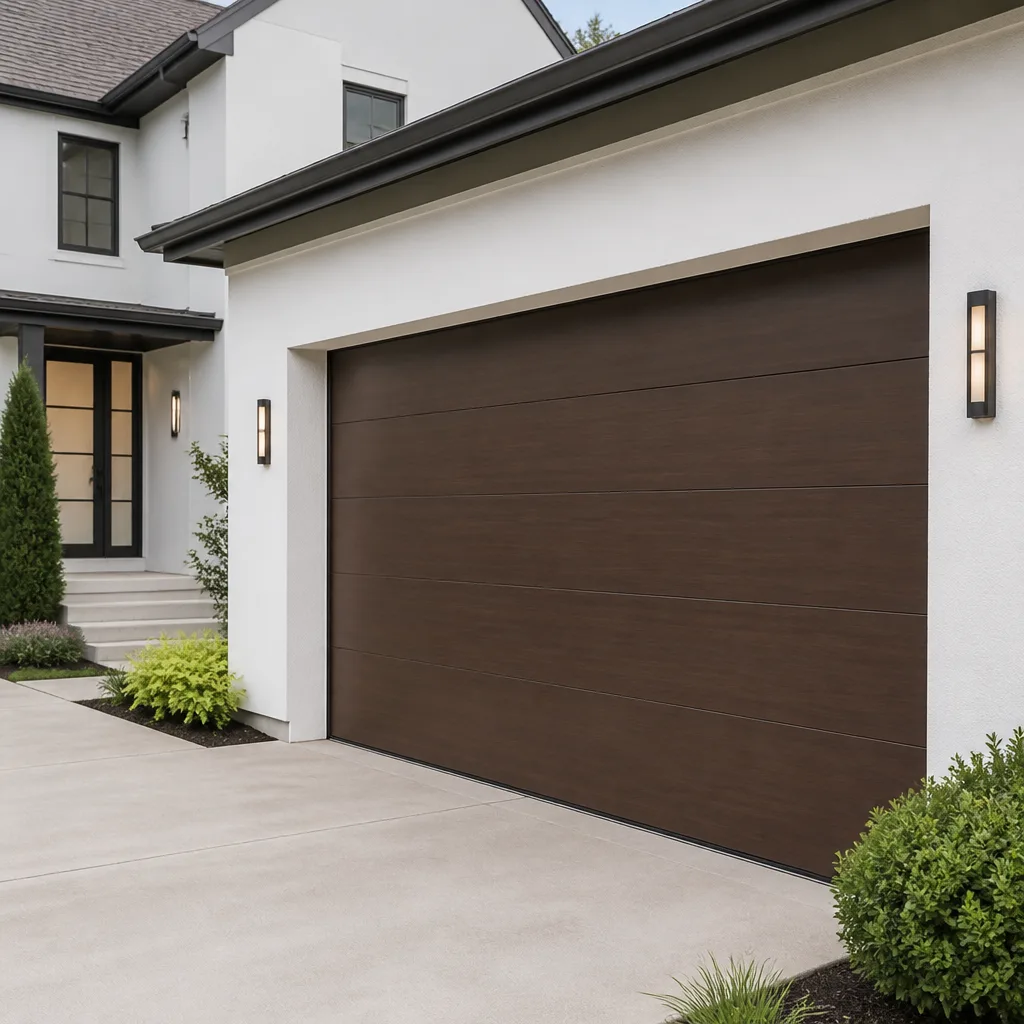 Modern flush
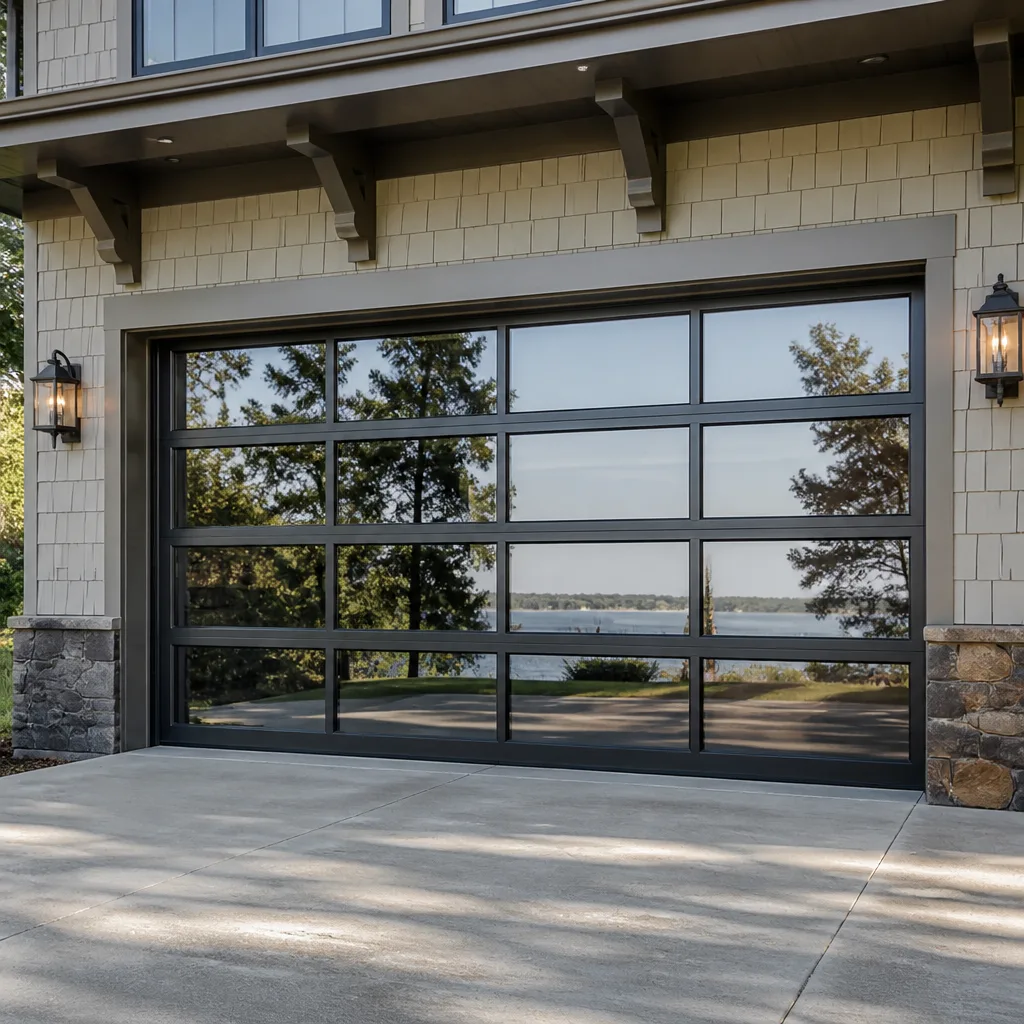 Full-view glass
 LiftMaster openers
 Chamberlain openers
Full 25-point door and opener safety check with every visit - springs, cables, rollers, tracks, and your LiftMaster or Chamberlain opener included
You get a price before we start. It does not change when the pro arrives.
Get your free estimateSeasonal Garage Door Care for New Tampa: Year-Round Homeowner’s Guide
Telling a New Tampa homeowner to “prepare your garage door for winter” in November is close to useless. We don’t get the kind of winter that punishes metal with freeze and thaw. What we get instead is a long dry stretch, a four-month humidity spike, a hurricane season sitting in the middle of it, and a late-summer heat that works on springs and panels every single day. A garage door-care calendar borrowed from a northern blog will have you checking for ice while your weatherstripping quietly bakes in the sun. This guide maps the actual maintenance tasks to the actual local pattern: the dry season, the wet season, storm season, and the heat stretch. By the end you’ll know what to inspect, when, and what to leave to a specialist.
Quick Answer
Garage door care in New Tampa follows four real seasons, not a calendar of spring-summer-fall-winter: a dry season from November through March, a pre-wet-season tune-up in May, a wet season with daily rain from roughly June through September, and hurricane season running through the summer and early fall. The highest-value tasks are lubrication and seal inspection before the rains, hardware and opener checks before storm season, and post-storm inspections after any nearby weather event. Springs and torsion hardware are high-tension and dangerous, so those stay with a trained professional.
Styles & brands we work with
- Raised-panel steel
- Carriage house
- Modern flush
- Full-view glass
- LiftMaster openers
- Chamberlain openers
Table of Contents
- Why New Tampa Has Four Seasons That Aren’t Spring, Summer, Fall and Winter
- Dry Season Care (November Through March): When UV Does Its Damage
- The Pre-Wet-Season Checklist (May): Your Most Important Month
- Wet Season Care (June Through September): Daily Rain and What It Stresses
- Hurricane Preparedness for Your Garage Door
- Post-Storm Inspection Protocol Specific to Tampa Bay Weather
- Heat Management: Attic Bleed and Spring Fatigue
- Brand Matters: Clopay, Amarr, Chamberlain and Genie in a Florida Climate
Why New Tampa Has Four Seasons That Aren’t Spring, Summer, Fall and Winter
Most seasonal garage door advice online was written for a climate with hard freezes. It tells you to clear snow from the bottom seal, watch for ice on the tracks, and worry about frozen springs. None of that happens here. In New Tampa, the seasons that actually matter are defined by moisture and heat, and each one applies a different kind of stress to the same door.
The dry season is the stretch from November through March, when rainfall drops off and the sun is still strong. That’s the period when UV exposure does its most visible damage to panels and weatherstripping, because there’s no cloud cover to soften it and no rain to keep surfaces cool.
The wet season arrives around June and brings daily rain cycles that last for months. Humidity climbs, and anything that can hold moisture, from the bottom seal to the screws in your hinges, is sitting in it. Rain that drives sideways under an unsealed door also finds its way onto the tracks and into the opener’s housing.
Hurricane season overlaps the wet season and brings its own category of risk: wind pressure, flying debris, and the question of whether your door hardware is fastened the way it should be. After a near-miss, the inspection protocol is different from a routine maintenance check.
And running through the whole year is heat. A garage in New Tampa can get brutally hot, and much of that heat bleeds in from the attic above it. Heat accelerates the metal fatigue that eventually makes a spring fail, which is why we treat temperature management as a maintenance task and not just a comfort issue. If you want the full picture of what we handle day to day, our Garage Door Repair New Tampa page covers the repair side in detail.
Dry Season Care (November Through March): When UV Does Its Damage
The dry season in New Tampa is the best window of the year to inspect your door closely and to schedule any scheduled maintenance. It’s also the period when UV damage to panels and weatherstripping becomes visible, because the sun has months of clear sky to work with and there’s less rain to keep finishes cool.
Here’s what to focus on between November and March:
- Panels and paint. Look at the top panels first, since they get the most direct sun. Chalky, faded or cracking paint is a sign the finish is failing, and on steel doors that’s the gateway to rust. Touch up bare spots before the wet season arrives.
- Weatherstripping and the bottom seal. The rubber strip along the bottom edge and the seals down the sides and across the top take constant UV. Feel for stiff, cracked or flattened rubber. If it’s lost its spring, it won’t seal against rain or keep hot air out.
- Hardware and fasteners. Walk the door and check that hinges, rollers and brackets are tight. Loose fasteners get worse over a wet season, not better.
- Springs, by eye only. You can look at a torsion spring for visible gaps or a stretched extension spring, but do not touch or adjust them. We’ll explain why in the safety section below.
- Opener behavior. This is the time to notice small changes: a door that’s slower, noisier or stops short. Those are easier and cheaper to sort out before the daily rain sets in.
The dry season is also when a door that’s showing real wear is worth looking at for replacement rather than another round of repairs. If panels are rusted through or the door is out of proportion to the opening, garage door installation may cost less over time than repeated fixes. Installation and replacement are measured and ordered, so plan them for this quieter stretch rather than in the middle of storm season.
The Pre-Wet-Season Checklist (May): Your Most Important Month
May is the most important maintenance month on the New Tampa calendar. It sits right before the daily rain cycles begin, which means anything you fix in May gets you through four months of humidity instead of failing in week two of June.
Work through this list in order:
- Inspect every seal. Run your hand along the bottom seal, side seals and top seal. Replace anything that’s cracked, stiff or not making contact. A seal that’s supposed to keep rain out but doesn’t is worse than a worn one, because you’ll assume it’s working.
- Lubricate moving parts, not springs you shouldn’t touch. Rollers, hinges, tracks and the opener’s rail benefit from a proper garage door lubricant. Do not spray solvent on springs or attempt to loosen tension. The rollers and hinges are the safe, useful targets.
- Check track alignment. Tracks should be straight, parallel and plumb. Look for a bend at the curve or a track that’s pulling away from the frame. Don’t force tracks back into place with a hammer; misalignment often signals a larger problem, and a pro can tell you which.
- Test the balance. Disconnect the opener and lift the door by hand. A properly balanced door lifts with steady effort and stays put about halfway up. If it drops or feels very heavy, the spring system needs attention.
- Test the safety reverse. Put a small object in the door’s path and confirm it reverses on contact. This matters all year, but a door that’s about to run through a wet season is a good reason to verify it now.
- Check the opener’s mounting. Make sure the opener is firmly attached to the ceiling and the rail isn’t sagging. Loose mounting gets looser with humidity cycling.
If the balance test or a visual spring inspection turns up a problem, stop there. Springs, cables and the torsion bar are high-tension and can cause serious injury, and general handymen often avoid or subcontract that work. We handle spring repair directly, and we always recommend a trained specialist for anything involving spring tension. If your opener is the part misbehaving, our garage door opener repair page walks through the common failures.
Wet Season Care (June Through September): Daily Rain and What It Stresses
Once the daily rain pattern sets in around June, your maintenance routine shifts from fixing things to watching for the effects of constant moisture. In New Tampa the rain comes hard and often sideways, and a garage door is a large flat surface that collects it.
Here’s what to watch during the wet season:
- Water intrusion under the door. Check the floor line after a heavy rain. Dampness at the bottom of the door usually means the bottom seal has failed or the threshold is worn. Fix the seal before the slab beneath it stays wet all season.
- Track and roller corrosion. Moisture on steel tracks and rollers speeds up rust. Wipe down visible rust, keep rollers lubricated, and watch for rollers that start to squeal or stick.
- Panel and hardware rust. Look for rust blooming at hinges, screws and the bottom edge of steel panels. It’s much easier to address a small spot than a rusted-through panel.
- Opener housing and electronics. Opener units mounted in the garage are sitting in the humidity. If you see condensation or the unit acts intermittently after storms, it’s worth a look.
- Wood doors. If you have a wood door, rain and humidity are its main enemy. Watch for swelling, warping and finish breakdown, and reseal before the dry season.
The wet season is also the time to keep the door’s path clear inside the garage. Standing water near the tracks, yard debris blown in during storms, and general clutter can interfere with the door’s travel. A quick sweep after each storm is a small task with real payoff. When something does go wrong, garage door repair in the middle of wet season is common, and the earlier you catch a problem the less it tends to cost.
Hurricane Preparedness for Your Garage Door
A garage door is often the largest opening in a house, and that makes it one of the most important pieces of hurricane preparation. This is a separate set of tasks from routine maintenance. General storm prep covers your roof, windows and yard; your door needs its own specific check.
Work through these before storm season peaks:
- Assess the door’s bracing hardware. Check that the door has the horizontal reinforcement the manufacturer specifies for your model and size. On many doors this is a separate horizontal brace or strut that runs across the panels. If you’re not sure whether your door has what it should, have it assessed rather than guessing.
- Check the fastening of tracks and brackets. Tracks and brackets should be firmly attached to the jambs and framing. Loose hardware under wind pressure is a real risk.
- Test the manual release. Every opener has a manual release, usually a cord you pull to disconnect the door from the opener. Know where it is and practice using it now, not during a power outage. If you can’t open the door by hand with the opener disconnected, the door isn’t properly balanced and that’s a repair task before storm season.
- Label and test the opener’s battery backup. If your opener has a battery backup, make sure it’s installed and working. If it doesn’t, a dead opener during an outage is a door you can’t open without going through the house.
- Clear the track of debris before the storm. Branch clippings, leaves and general grit in the tracks can jam a door when you need it to work.
- Photograph the door. Before and after photos of panels and hardware are worth having for your own records.
A word on doors and wind ratings: if you’re replacing a door and want the best storm resistance, the door’s wind-load rating and the reinforcement the manufacturer specifies for your opening are the things to ask about. That’s a conversation for the installation stage, not the night before a storm. Our garage door installation page covers the measurement and specification side of that.
Post-Storm Inspection Protocol Specific to Tampa Bay Weather
After a Tampa Bay weather event, even a near-miss, the garage door is worth a careful look before you run it. Wind pressure and flying debris rarely leave a door untouched if they’ve passed close, and a door that looks fine can have a bent track or a loose bracket that fails the next time it opens.
Run through this inspection after any significant storm:
- Look at the panels. Check for dents, cracks, or panels that are visibly out of line with their neighbors. Impact damage often shows up as a small dent with a larger bend around it.
- Check the tracks. Look at the curve at the top of the tracks and the length of each track for bends. Tracks that are no longer parallel mean the door will bind.
- Check the brackets and springs, by eye. Look for hardware that is visibly bent or pulled away from the frame. Do not try to tighten or adjust springs; leave them alone and call a professional.
- Check the balance. With the opener disconnected, lift the door by hand. If it’s harder than usual to lift or doesn’t stay put, the spring system may have been affected by the event.
- Test the opener and safety reverse. Cycle the door and confirm it opens and closes smoothly, and that the safety reverse still works. If the door stops, reverses or runs slowly, don’t force it.
- Look for water and debris. Clear any debris from the tracks and the door’s path, and check for water intrusion that may have gotten in during the storm.
If anything looks bent, loose or out of alignment, stop operating the door and get it checked. A door that’s forced to run while misaligned can damage the opener and the panels. That’s a big part of why we keep parts on hand and offer a quick response on repair calls, especially after a storm: fewer return trips and a faster fix. If your opener is the part that took the hit, our garage door opener repair page covers the common post-storm opener problems.
Heat Management: Attic Bleed and Spring Fatigue
One of the least appreciated seasonal issues in a New Tampa garage is heat, and specifically heat that bleeds in from the attic above. Garages get hot in the summer everywhere in Florida, but the attic above a garage can soak up heat all day and radiate it down into the space. That’s not just uncomfortable; it stresses the metal of the springs and hardware that live right under it.
Here’s how to tell if attic heat is accelerating the wear on your door:
- The garage is noticeably hotter than a shaded outdoor spot. If you step from the driveway into the garage and it feels significantly hotter, heat is accumulating rather than escaping.
- The ceiling above the door is unusually hot. A hand near the ceiling on a hot afternoon tells you a lot. The air right under the ceiling is where the heat is.
- Springs fail earlier than they should. Spring metal is under constant tension, and heat speeds up metal fatigue. If a spring that was working has failed or sagged, heat is worth considering as a contributing factor.
- The door’s panels and hardware feel hot to the touch. Panels in direct sun get hot, and hardware that holds heat stays warm after the sun moves on.
What to do about it: better attic and garage ventilation helps, and a properly sealed door helps too, because the bottom and side seals keep hot air from bleeding around the door. If you’re replacing a door, an insulated door can help manage heat differently, and that’s something to discuss when you spec the door. But heat is one more reason not to ignore a spring that looks fine. Heat fatigue builds slowly and then a spring fails. For spring issues, our garage door repair page explains the repair side, and we handle springs directly rather than sending them out.
Brand Matters: Clopay, Amarr, Chamberlain and Genie in a Florida Climate
Brand matters less for the calendar than it does for the details. A Clopay or Amarr steel door, a Chamberlain opener, a Genie opener and a wood door all handle a New Tampa wet season in different ways, and knowing which quirks belong to which system saves time. We work across eight of the leading brands: LiftMaster, Chamberlain, Genie, Clopay, Amarr, Wayne Dalton, Craftsman and Raynor. Whatever brand is on your door, we know it, and that matters when a door is doing something odd.
Here’s how brand plays out against the local climate:
- Clopay and Amarr steel doors. Panel finish and bottom seals are the first things to watch through the dry season, since UV exposure shows up there first. Rust at the panel edges is the sign to catch early, before the wet season drives it further.
- Chamberlain and Genie openers. Both are common in New Tampa garages. When humidity and heat sit on an opener unit for months, the small faults show up as intermittent behavior, and a technician familiar with the specific unit can usually tell what’s failing faster than a generalist.
- Wood doors. A wood door in this climate needs more attention than a steel one. Finish, swelling and warping are worth a closer look through the wet season, and the dry season is the best time to reseal.
The practical point is that a door or opener is a system, and the brand and model tell a technician where to look first. That’s why we keep parts on hand: a familiar brand and a known failure point can often be fixed on the first visit. If you’re not sure what you have, our Garage Door Repair New Tampa page explains how we work and what we cover.
Common Mistakes to Avoid
- Following a northern seasonal calendar. Snow and freeze advice doesn’t apply in New Tampa, and following it can mean you skip the May checklist that actually matters. Build your routine around the dry, wet, storm and heat patterns instead.
- Doing the balance test but not acting on it. If the door is heavy, drops, or doesn’t hold its position, those are signs the spring system has changed. Note it and call a professional rather than waiting for a failure.
- Trying to adjust springs yourself. Torsion and extension springs are high-tension and can cause serious injury, and replacing or adjusting them isn’t a homeowner task. Leave it to a specialist.
- Skipping the pre-wet-season seal inspection. A seal that’s supposed to keep rain out but doesn’t will let moisture in all wet season. Checking the seals in May, before the first daily rain, is the highest-value item on the list.
- Ignoring heat bleed. A garage that’s unusually hot for months is speeding up wear on springs and hardware. A little ventilation now can save a failed spring later.
- Not practicing the manual release before a storm. The time to learn where the release is and how it works is before the power goes out, not after. It’s also a quick way to find out if the door is properly balanced.
- Running a door after a storm without checking it. A door that looks fine can have a bent track or loose bracket that fails on the next cycle. A short inspection after a near-miss prevents a larger repair.
See the difference
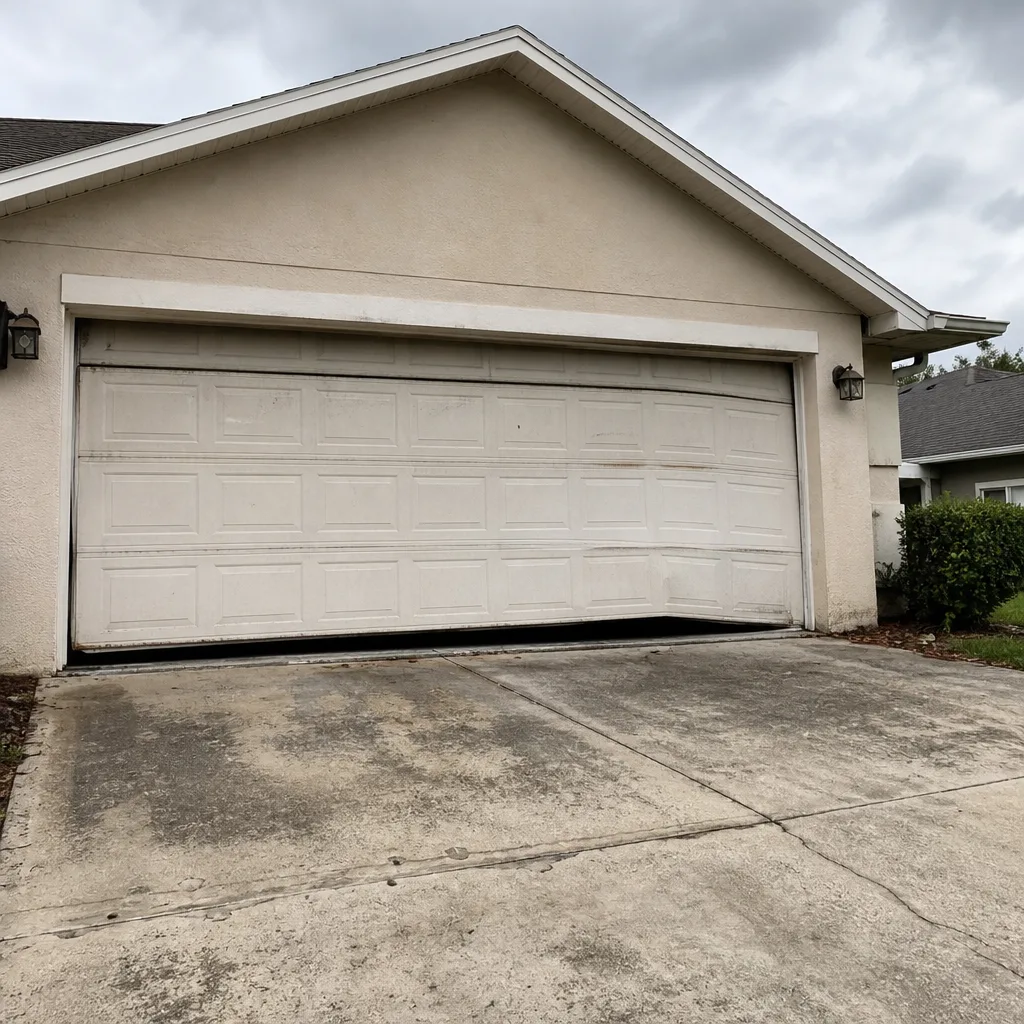 Before
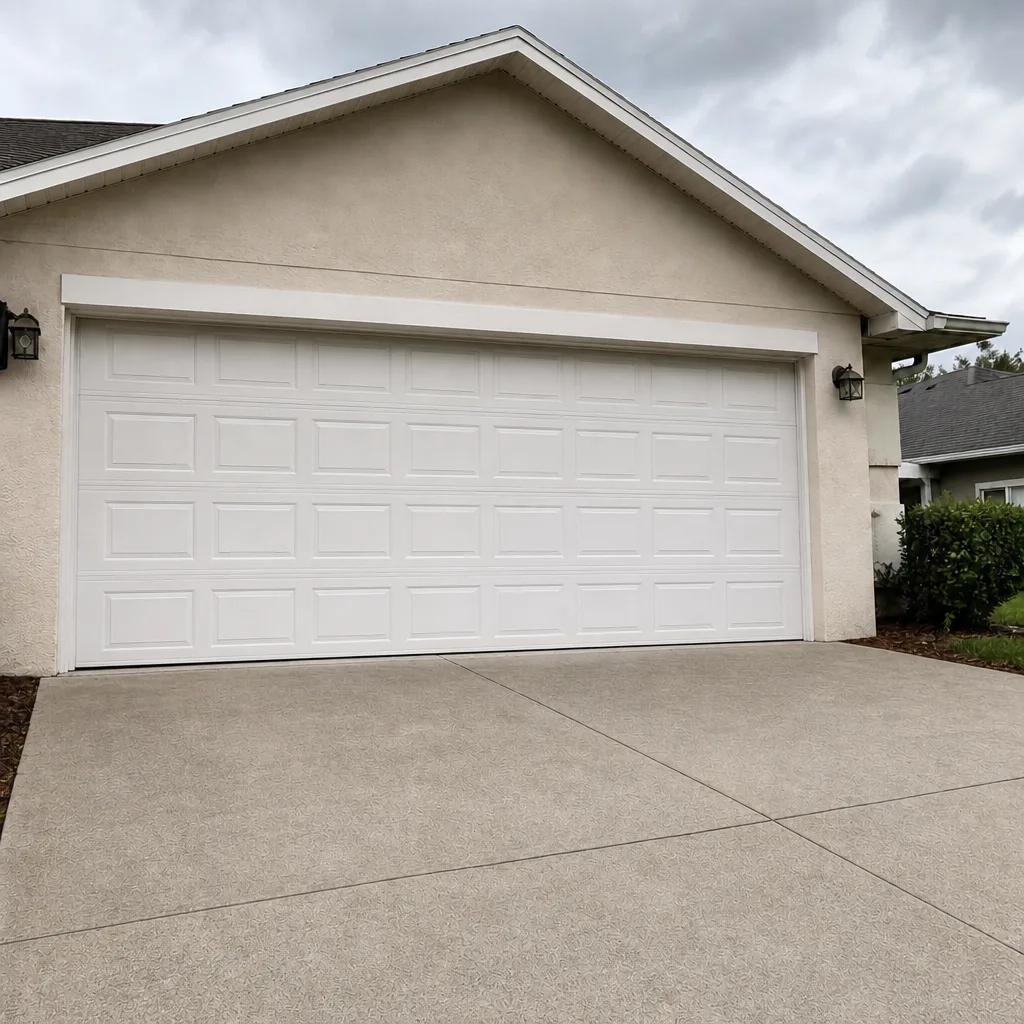 After
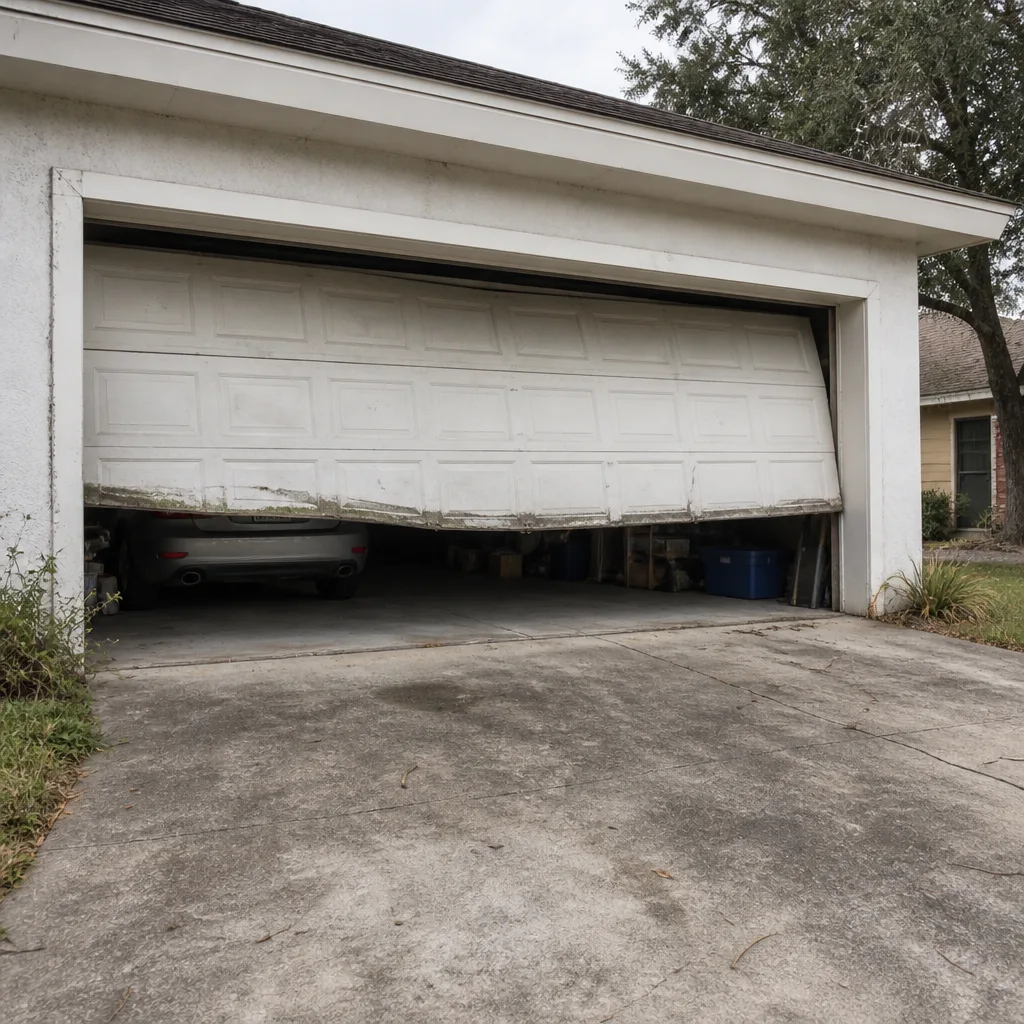 Before
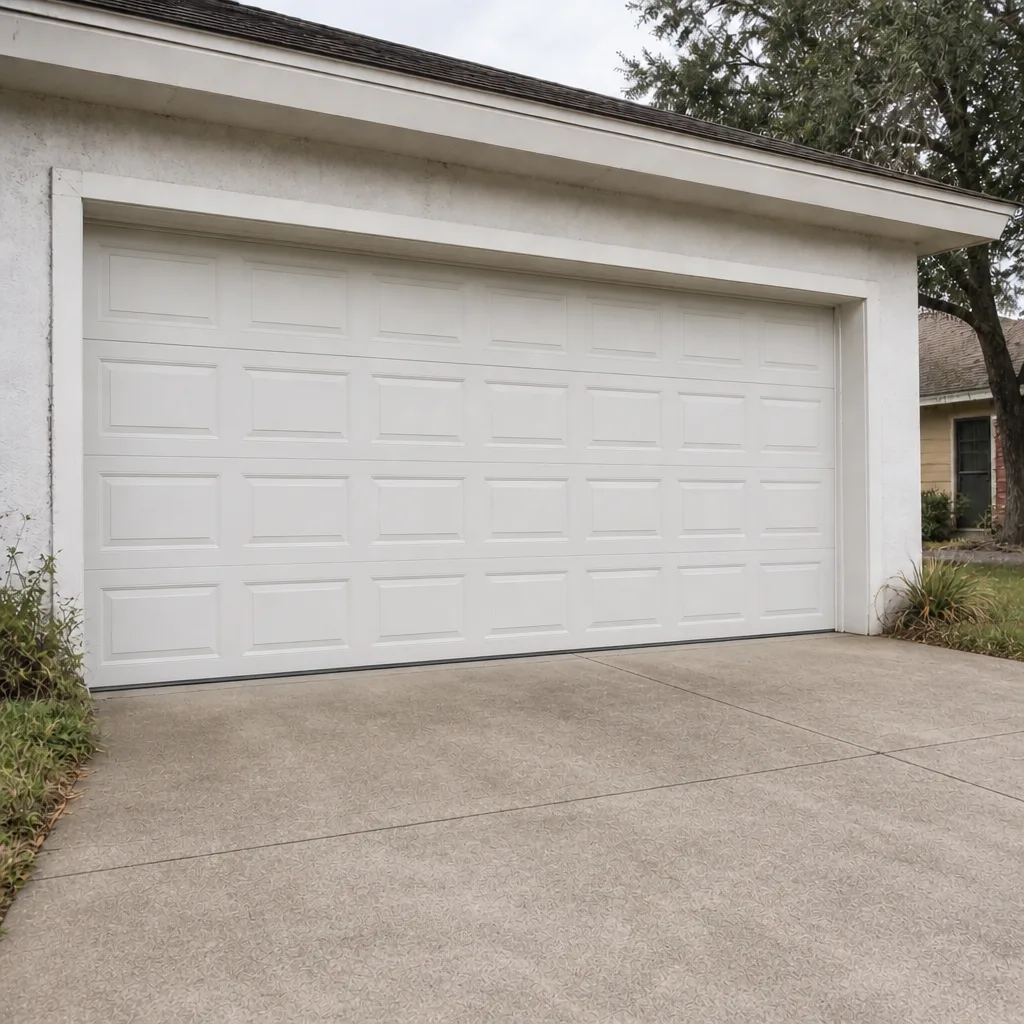 After
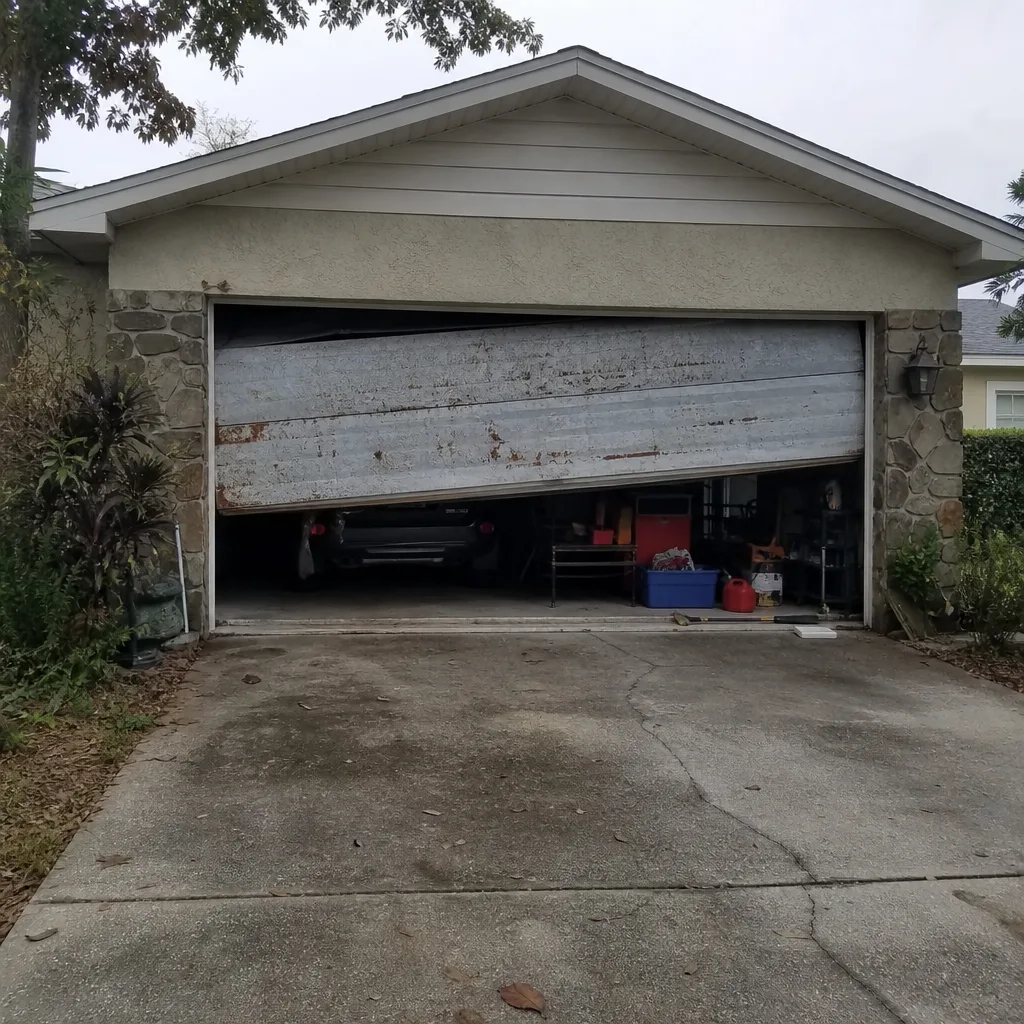 Before
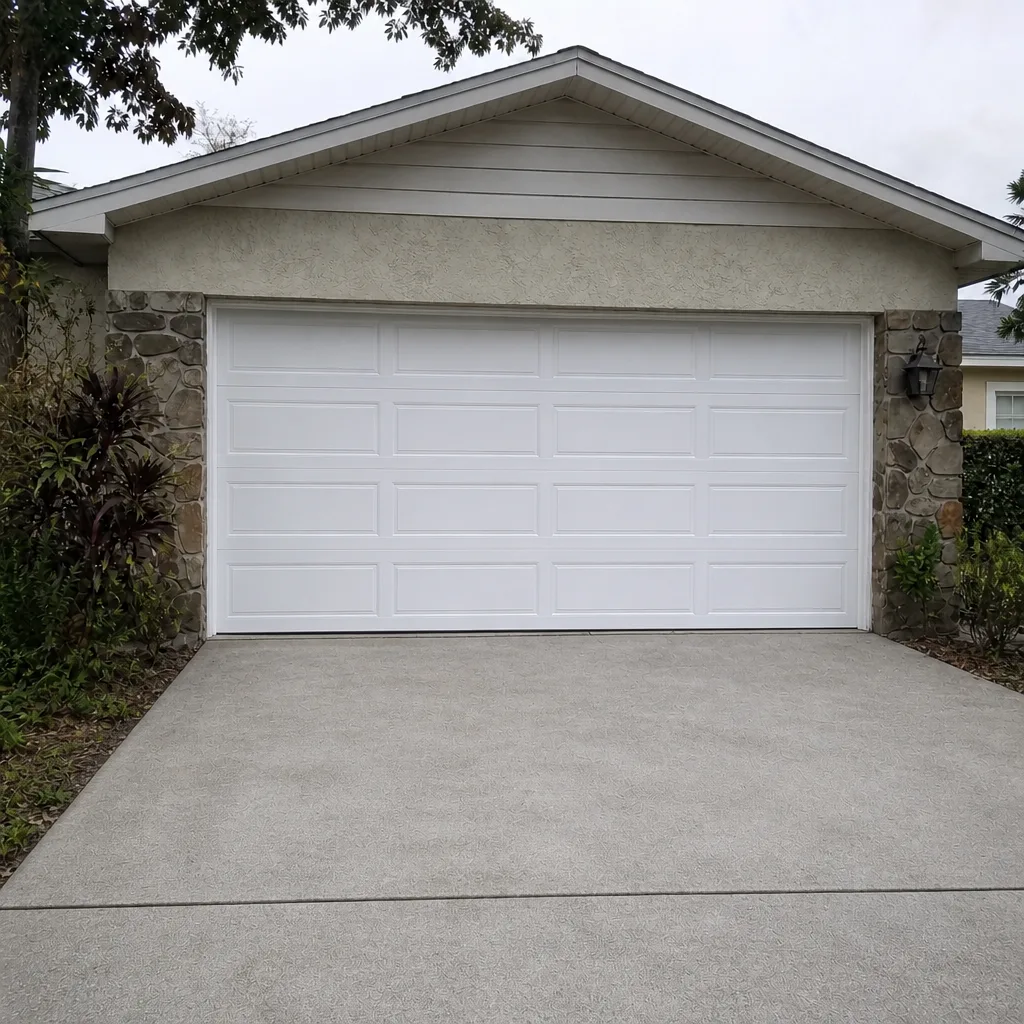 After
When to Call a Professional
Some tasks are homeowner-friendly: lubricating rollers and hinges, checking seals, testing the balance and safety reverse, and clearing debris from the tracks. Others aren’t. Call a professional when the door is out of balance, when a spring is broken or sagging, when the tracks are bent or misaligned, when the opener behaves erratically after a storm, or when a panel has been damaged by impact. Springs and torsion hardware are high-tension and dangerous, and general handymen often avoid or subcontract that work. We handle spring repair directly, and we know the common opener brands, including Chamberlain and Genie, up close. Garage Door Repair New Tampa offers free estimates in New Tampa. Call (844) 443-4770 to get a written estimate and a clear answer on what your door needs.
Frequently Asked Questions
Lubricate rollers and hinges, inspect and replace worn seals, check track alignment, test the door’s balance and safety reverse, and check hardware fasteners. The most important single month is May, before the wet season begins, when seal inspection and lubrication prevent the most common wet-season problems. Leave springs and torsion hardware to a professional.
Do the storm-specific checks before season peaks, ideally during the late dry season. Those checks cover bracing hardware, track and bracket fastening, the manual release, and any opener battery backup. General storm prep for the house doesn’t cover the door’s hardware, so plan for it separately. Call (844) 443-4770 for a free estimate if you want the door assessed.
No. Torsion and extension springs are stored under high tension and can cause serious injury if handled incorrectly. Springs are a specialist job, and we recommend leaving them to a trained professional. We handle spring repair directly rather than subcontracting it.
If the garage is noticeably hotter than a shaded spot outside, if the ceiling above the door is unusually hot on summer afternoons, or if springs seem to fail earlier than expected, heat is likely a factor. Improved ventilation and a well-sealed door help, and a spring that looks strained should be assessed by a professional rather than adjusted.
Check panels for dents and cracks, tracks for bends, and brackets for anything loose or pulled away. Test the balance with the door disconnected, clear debris from the tracks, and cycle the opener to confirm the door runs smoothly and the safety reverse works. If anything looks bent or loose, stop operating the door and call a professional.
Yes. We work on Chamberlain, Genie, Clopay and Amarr, along with LiftMaster, Wayne Dalton, Craftsman and Raynor. Parts on hand mean many fixes can be handled on the first visit. Call (844) 443-4770 for a free estimate.
The Bottom Line
New Tampa’s garage door care isn’t built around snow and ice. It’s built around the dry season, the May checklist, the wet season, storm season and the heat that runs through all of it. The tasks that actually prevent service calls are checking seals and lubrication before the rains, testing the storm hardware before the season, inspecting for impact damage after a near-miss, and keeping the door in balance and properly sealed year-round. Springs stay with a professional; everything else you can watch and schedule. If your door needs a look, or you want a written estimate before a problem grows, call (844) 443-4770.
Written by the team at Garage Door Repair New Tampa.