Last updated November 22, 2026
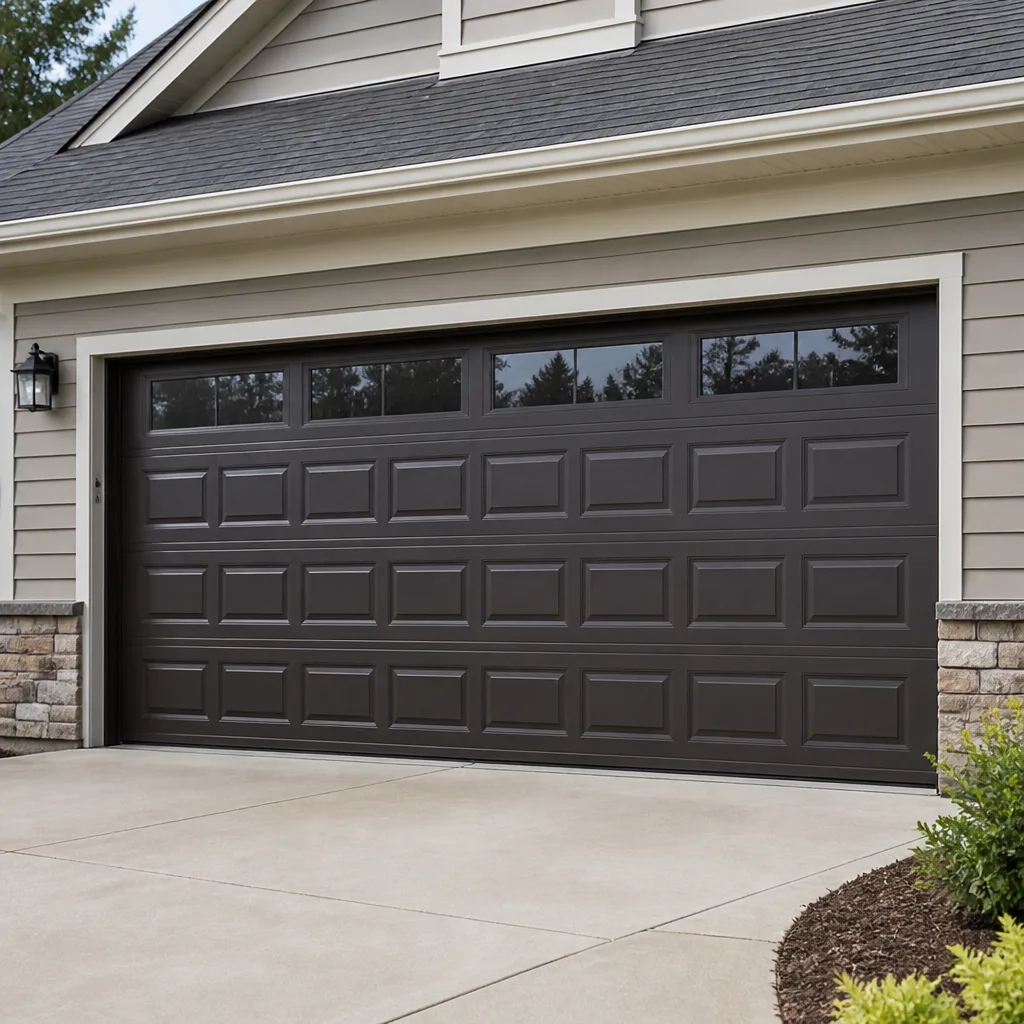 Raised-panel steel
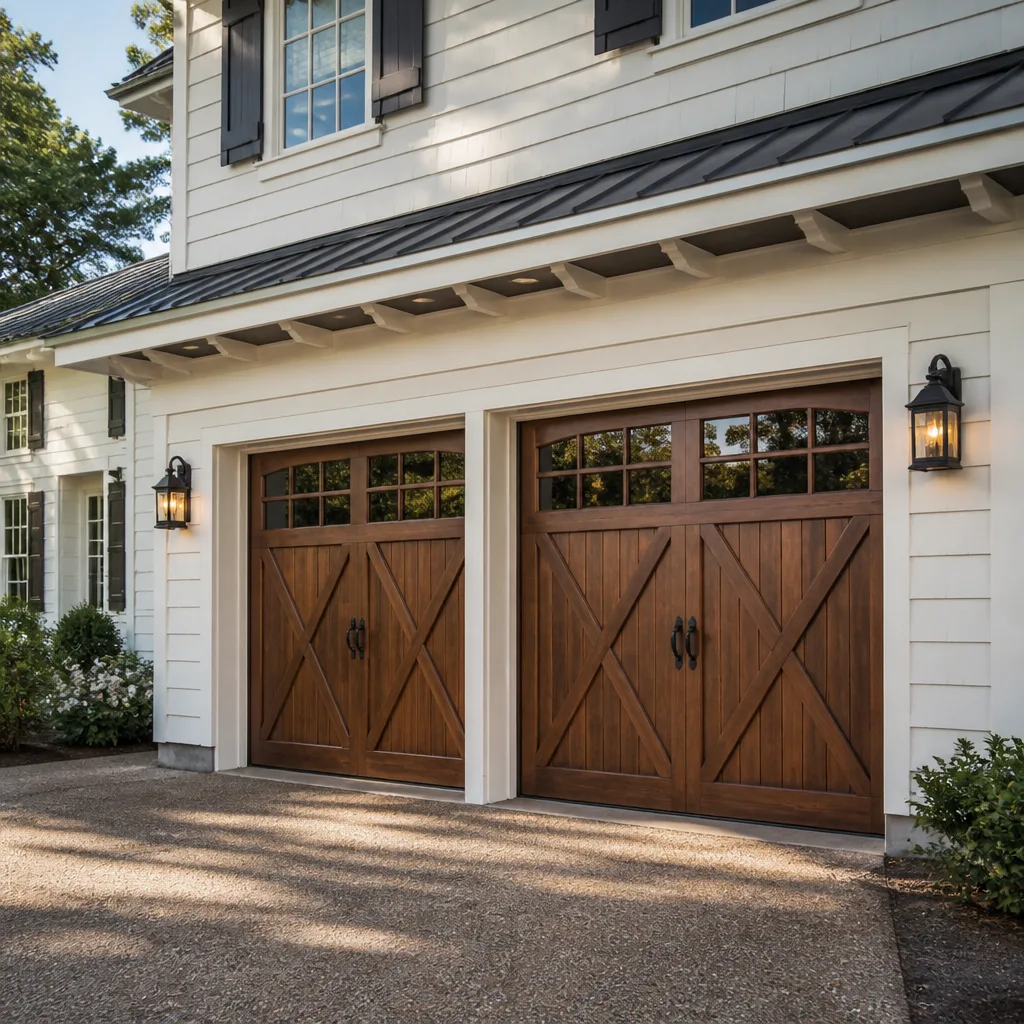 Carriage house
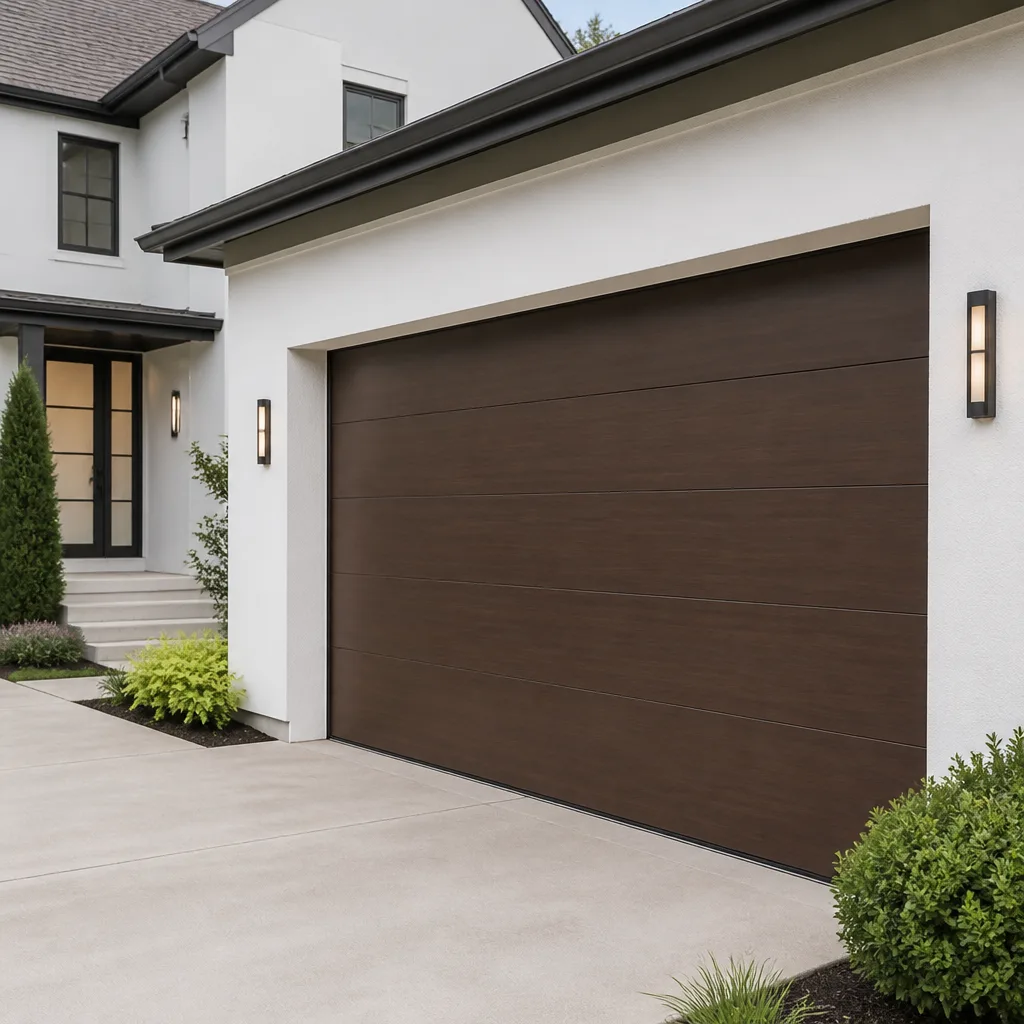 Modern flush
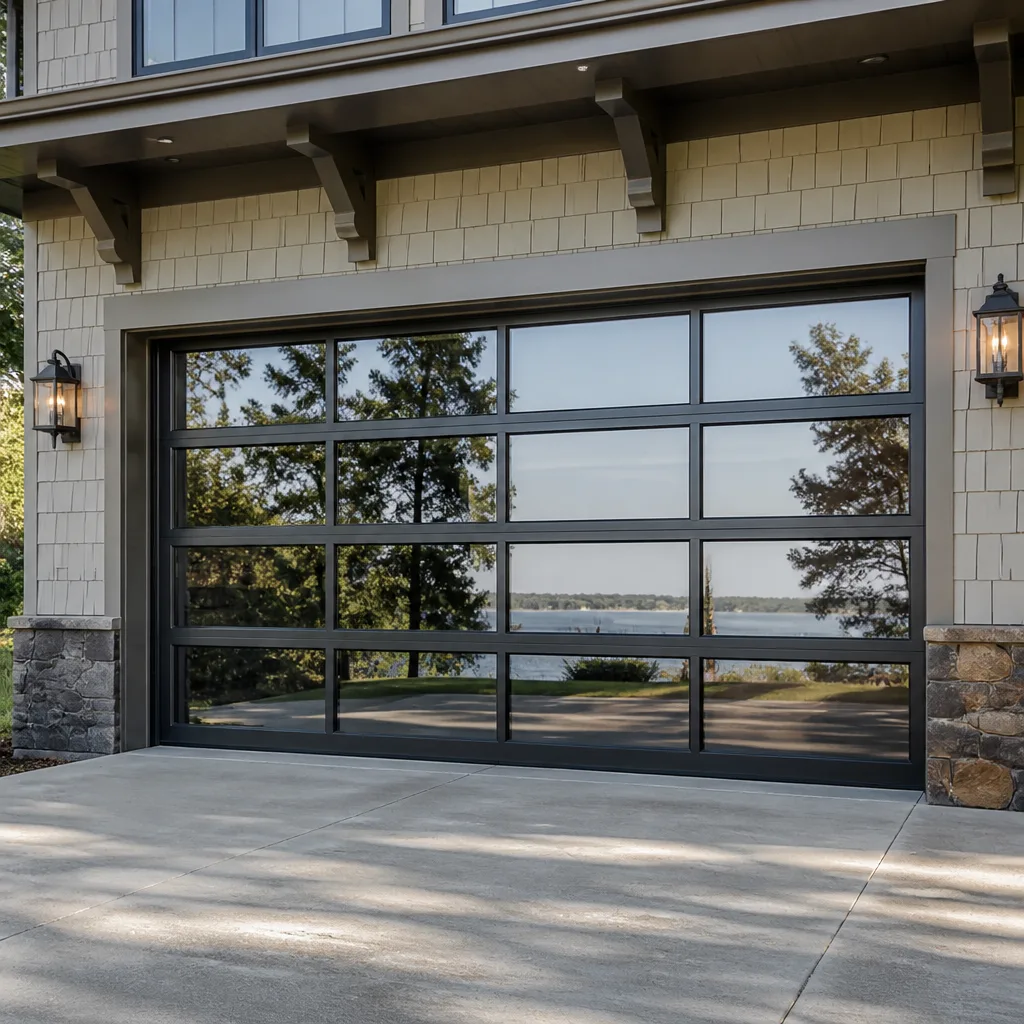 Full-view glass
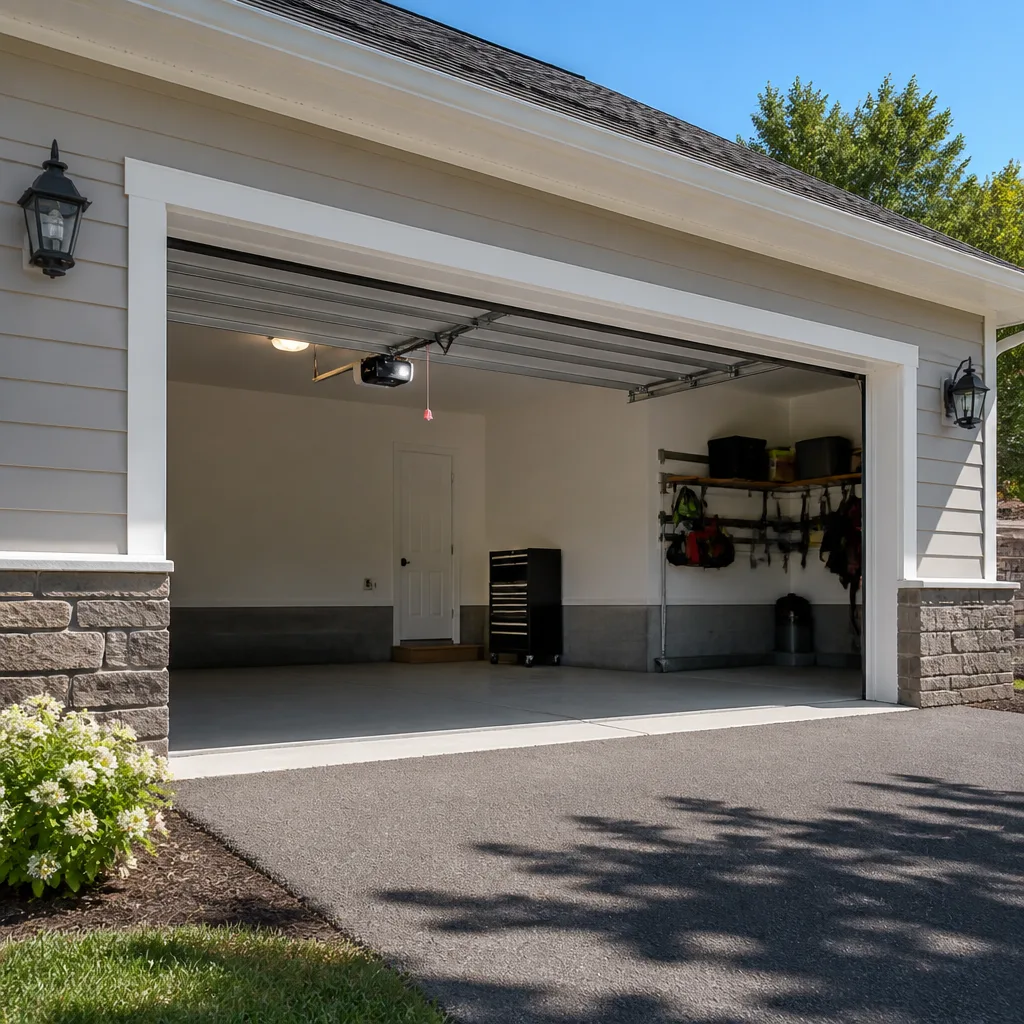 LiftMaster openers
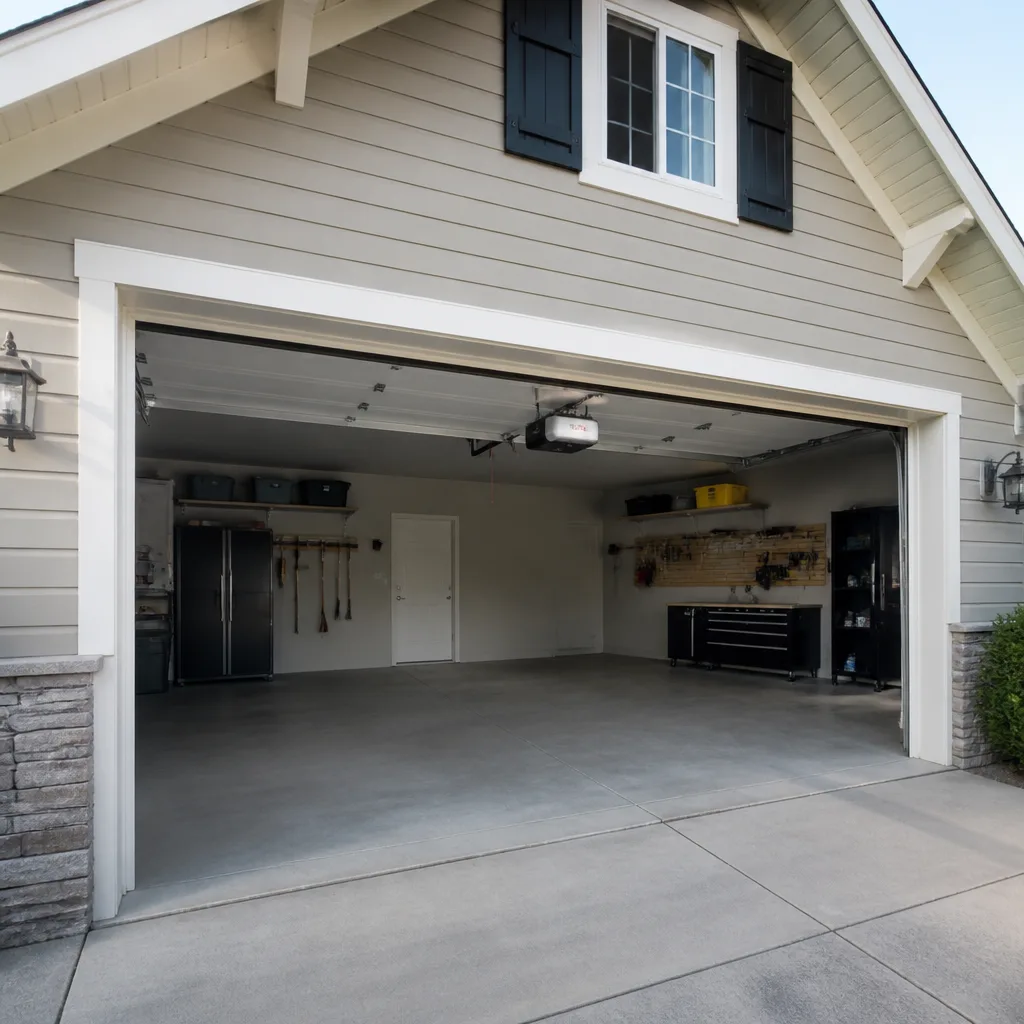 Chamberlain openers
Full 25-point door and opener safety check with every visit - springs, cables, rollers, tracks, and your LiftMaster or Chamberlain opener included
You get a price before we start. It does not change when the pro arrives.
Get your free estimateHow to Hire a Garage Door Contractor in New Tampa: A Step-by-Step Guide
Florida does not require a specialty contractor license specifically for garage door work. That single fact explains most of the bad hires we hear about, and it explains why a homeowner’s usual screening questions don’t catch the wrong person. A general contractor can legally show up to adjust the tension on a torsion spring, and a handyman with a clipboard can quote a door installation without ever having hung one. Neither is automatically a bad choice. The problem is that neither is automatically a specialist either, and the price on the estimate won’t tell you which one you’re getting.
This guide is about closing that gap before you sign anything. We’ll walk through what Florida’s licensing structure actually covers, the phone questions that separate a garage door specialist from a generalist, how to check insurance, the red flags that show up in the New Tampa market, and what a legitimate written estimate should contain. By the end you’ll know how to hire for the job you actually have.
Quick Answer
To hire a garage door contractor in New Tampa, verify that the company holds an active state license appropriate for the work (general, building, or residential contractor, since Florida has no garage-door-specific class), confirm current liability and workers’ compensation coverage, ask brand-specific questions about your door and opener, and insist on a written estimate that itemizes parts and labor. A specialist will answer brand and part questions without hesitation, and a generalist usually won’t.
Styles & brands we work with
- Raised-panel steel
- Carriage house
- Modern flush
- Full-view glass
- LiftMaster openers
- Chamberlain openers
Table of Contents
- What Florida Licensing Actually Covers for Garage Door Work
- How to Verify a Contractor’s License in New Tampa
- Specialist vs. Generalist: Questions That Separate Them
- How to Check Insurance (and What Amounts Matter)
- Tampa-Market Red Flags to Watch For
- What a Legitimate Written Estimate Includes
- Brand Fluency: Why It Matters More Than You’d Think
- Spring Work and Safety: What to Ask Before Anyone Touches It
What Florida Licensing Actually Covers for Garage Door Work
Florida’s Department of Business and Professional Regulation (DBPR) licenses contractors by category, not by trade specialty. There is no standalone “garage door contractor” license class in the state. That surprises most homeowners in New Tampa, and it’s the single most important thing to understand before you start calling.
In practice, a garage door installation or replacement job can be pulled under a general contractor, building contractor, or residential contractor license, depending on how the work is classified and what permits the local jurisdiction requires. Repair work, spring replacement, and opener service often fall below the threshold where a permit is triggered, which means the license question gets blurrier, not clearer. This is why the license check is necessary but not sufficient. You still need to confirm the person on your driveway actually knows the system.
A few practical notes for New Tampa homeowners:
- A valid DBPR license confirms the holder has met the state’s minimum requirements and carries the required insurance. It does not certify garage door expertise.
- Hillsborough County and the City of Tampa may have their own permitting rules for structural work, including door replacements that alter the opening. Ask the local building department directly if you’re unsure whether your job needs a permit.
- If a contractor can’t tell you which license class they hold and whether a permit is required, that’s a signal. A specialist knows the answer or knows to check.
- Any company that offers to do the work “without the license hassle” is telling you something important about how they operate.
None of this means unlicensed or vaguely licensed work is rampant in New Tampa. It means the burden of verification falls on you, the homeowner, and a few minutes on the DBPR’s online license lookup will save you a much longer headache. Run the lookup. It’s free.
How to Verify a Contractor’s License in New Tampa
Verification takes about five minutes if you know where to look. Here’s the step-by-step we recommend to any New Tampa homeowner who asks.
- Get the license number in writing. Ask for it during the initial call or before any estimate is scheduled. A legitimate contractor will give it to you without hesitation.
- Look it up on the Florida DBPR website. Search by license number, not by business name, since names can vary. Confirm the status is “Active” and that the license type matches the work being quoted.
- Check the qualifying agent. Florida licenses are held by a qualifying individual, and that person must be associated with the business. If a company can’t name its qualifier or the qualifier isn’t tied to the business in the DBPR record, ask why.
- Check the expiration date. An expired license is the same as no license for the purposes of hiring.
- Check for complaints or disciplinary actions. The DBPR record lists public complaints. A single complaint isn’t disqualifying, but a pattern is.
If the license checks out and the company also answers the specialist questions in the next section, you’re already ahead of most hiring decisions. If the license is active but the company can’t tell you whether your door is a torsion or extension spring setup, keep calling. This is a useful filter. A garage door repair company that works on doors every day will describe your system back to you without needing to look at it twice.
Specialist vs. Generalist: Questions That Separate Them
The initial phone call is where you’ll learn the most, and it takes ten minutes. A garage door specialist answers these questions directly and with specifics. A generalist hedges, pivots to price, or says “we handle all of that” without naming anything.
Ask these five questions on the first call:
- “What brand and model is my opener?” If you don’t know, the specialist will know where to look for the label and can often identify the system from a photo. Someone who works on LiftMaster, Chamberlain, Genie, and Craftsman units regularly will also know the common failure points for each.
- “Is this a torsion or extension spring setup?” The answer determines the parts, the tooling, and the time on site. A specialist asks or knows to ask. A generalist may not know the difference.
- “Do you handle spring replacement yourselves, or do you subcontract it?” Spring work is high-tension and safety-critical. Many generalists avoid it entirely or send it out. Subcontracting isn’t automatically bad, but you deserve to know who’s actually doing the work.
- “Do you carry parts, or do you order them?” A company that stocks common parts can often finish a repair on the same visit. A company that orders parts will come back, which usually means a second trip and sometimes a second charge.
- “What’s your written estimate process?” A specialist will walk you through what the estimate covers before anyone shows up.
Our technicians have up to 8 years of experience across every brand we work on, and they’ve learned to ask these questions on the customer’s behalf. When we send someone to a New Tampa home, the first call usually settles whether the job is a repair, a replacement, or something else. The same is true of garage door opener repair: the symptoms on the phone tell you more than the label on the motor.
How to Check Insurance (and What Amounts Matter)
Licensing and insurance are separate checks, and homeowners often skip the second. Don’t. General liability and workers’ compensation coverage are what protect you if someone is injured on your property or your door is damaged during the work.
What to ask for:
- A certificate of insurance (COI). Request it in writing, listing general liability coverage. The certificate should name the insured business and show current coverage dates. If a company can’t produce a COI, that’s a stop sign, not a bump.
- Workers’ compensation coverage. Ask whether the technicians who will be on site are covered by the company’s workers’ comp policy. If they aren’t, an injury on your property could become your problem.
- Coverage amounts appropriate for this work. Garage door work involves overhead weight, torsion tension, and tools. Ask whether the policy covers residential work specifically and whether the coverage is in line with the job size. A general contractor can tell you what their policy limits are; a vague answer is a red flag.
- Whether subcontractors are used. If any part of the job is subcontracted, ask for that company’s insurance too. The coverage needs to follow the person holding the tool.
One more note specifically for New Tampa: verify the certificate matches the business name on the estimate and on the license lookup. Mismatches happen, sometimes innocently and sometimes not. When in doubt, ask the company to explain the difference before anyone shows up. A specialist will.
Tampa-Market Red Flags to Watch For
We’ve seen enough New Tampa hiring conversations to know which patterns tend to end badly. These are the ones worth watching for.
- Vague parts sourcing. “We’ll get what we need” is not an answer. Ask which brand and part number will be used. If the company can’t name the brand, they probably aren’t ordering from a garage door supplier.
- No physical business address. A mailing address or a PO box is not the same as a place you could visit. Ask for the business address and look it up. A truck-only operation may be legitimate, but a business with no verifiable presence is harder to hold accountable if something goes wrong.
- “We carry everything.” No one carries everything. The honest answer is a specific list of what’s on hand and what has to be ordered. When a company claims unlimited inventory, it usually means they haven’t thought about it.
- Estimates delivered as a verbal quote or a text message number. Neither is a written estimate. Ask for the document.
- Pressure to start today. Garage door work is measured and scheduled, not impulse-driven. A same-day push on a replacement or install is a sales tactic, not a service.
- No brand references at all. If a company can’t tell you whether they work on Clopay or Amarr doors, or which openers they service, they probably don’t.
The best defense against all of these is the same: ask the questions, get the answers in writing, and walk away if the answers don’t add up. New Tampa has plenty of competent contractors; you don’t have to settle for the one who answers fastest.
What a Legitimate Written Estimate Includes
An estimate that grows at billing time is the second most common complaint we hear, right after “the price changed.” The difference between a tight estimate and a loose one is usually in what’s missing, not in the base price.
Here’s what a written estimate for garage door work in New Tampa should contain:
- Scope of work in plain language. What is being repaired or replaced, and what is not. If the door has two springs and only one is being quoted, say so.
- Parts, itemized. Brand, part number where possible, and quantity. Spring estimates in particular should clarify whether the price is for one spring or a matched pair, since a pair is usually replaced together.
- Labor, itemized separately. Or clearly bundled if bundled, but not a single line labeled “installation” with no breakdown.
- Disposal and haul-away. If the old door or parts are being removed, the cost should be on the estimate.
- Permit and inspection costs. If the job requires a permit, the estimate should list the cost or state that permits are the homeowner’s responsibility.
- Warranty terms. What’s covered, for how long, and on what: parts, labor, or both.
- A stated expiration date. Estimates that never expire are usually too vague to be useful.
- Total price. Clearly stated. The written estimate sets the final price; if the scope doesn’t change, the number shouldn’t either.
If the estimate is missing two or three of these items, that’s a sign the scope isn’t locked down. Ask the company to fill in the gaps before you sign. A specialist will.
Brand Fluency: Why It Matters More Than You’d Think
Garage doors and openers are not interchangeable, and the failure points vary by brand. A technician who works only on one brand will recognize the quirks in that brand and miss the ones elsewhere. That’s why brand fluency is a real hiring criterion, not a marketing line.
Some specifics to ask about:
- Openers. LiftMaster and Chamberlain share a lot of engineering and many of the same accessories; Genie and Craftsman each have different remotes, safety sensors, and motor quirks. Ask which of these a company services regularly.
- Doors. Clopay and Amarr are two of the most common residential door brands in this market, and each has distinct panel, hinge, and track designs. A company that installs both will know which replacement parts fit which series.
- Mixed systems. Many New Tampa homes end up with a door brand and an opener brand from different manufacturers. A specialist is comfortable working across the pair; a generalist often isn’t.
Whatever brand is on your door, we know it. When we quote a repair, the estimate names the part and the brand. When the brand isn’t stocked, we tell you the lead time before you commit. That’s the difference between brand fluency and brand name-dropping. It’s also why a single company can handle the range from a broken spring to a brand-new door, which is the convenience of a full-cycle service rather than a chain of vendors.
Spring Work and Safety: What to Ask Before Anyone Touches It
Torsion and extension springs store enormous energy. A spring under tension can injure seriously if it fails, slips, or is handled without the right tooling. That’s not an exaggeration, and it’s the reason we treat spring work as safety-critical and handle it in-house rather than sending it to a subcontractor.
What to ask before anyone touches a spring:
- “Are you replacing both springs or one?” A matched pair is usually replaced together, since the springs have cycled the same number of times. If only one is quoted, ask why.
- “What’s the estimated price for one spring, and for the pair?” A pair costs about twice the single-spring price, and a written estimate should reflect that clearly.
- “What winding tool and safety procedures do you use?” A technician who can describe the process in a sentence is a technician who has done it. A vague answer is a reason to wait.
- “What happens if the spring fails during the repair?” The written estimate should clarify who’s responsible if a component fails during the work, and the scope should be firm before anyone starts.
If the door is visibly sagging or the spring looks separated, don’t operate the door while you wait for the technician. That’s the one piece of prep that matters. The rest is asking the right questions and getting the answers in writing. A 15-minute conversation after the technician arrives is normal; a 15-second phone quote is not. If you’re not sure whether the issue is the spring or the opener, that’s fine. A technician can diagnose both on the same visit, and the same company can handle either without a handoff.
If a door fails and needs a same-day response, that’s the one situation where speed matters, and a local specialist is worth the call. For a new door or a scheduled replacement, the timing is measured and scheduled, with a free measure and a written price before any work begins.
How Much Does Garage Door Work Cost in New Tampa?
Pricing for garage door work varies by job, but the structure is predictable. Most estimates in the New Tampa market break down into a few standard components: diagnostic visit, parts, labor, and disposal. Spring work is priced per spring. Openers are priced by unit plus installation. Full door installs are priced by door, with options that change the number (insulation, window panels, hardware finish).
We give written estimates before any work starts, and the number on the estimate is the number you pay if the scope doesn’t change. If the technician finds something that requires a scope change, we stop and re-quote before continuing. That’s the standard we hold to, and it’s the standard you should expect from any contractor you hire in New Tampa.
See the difference
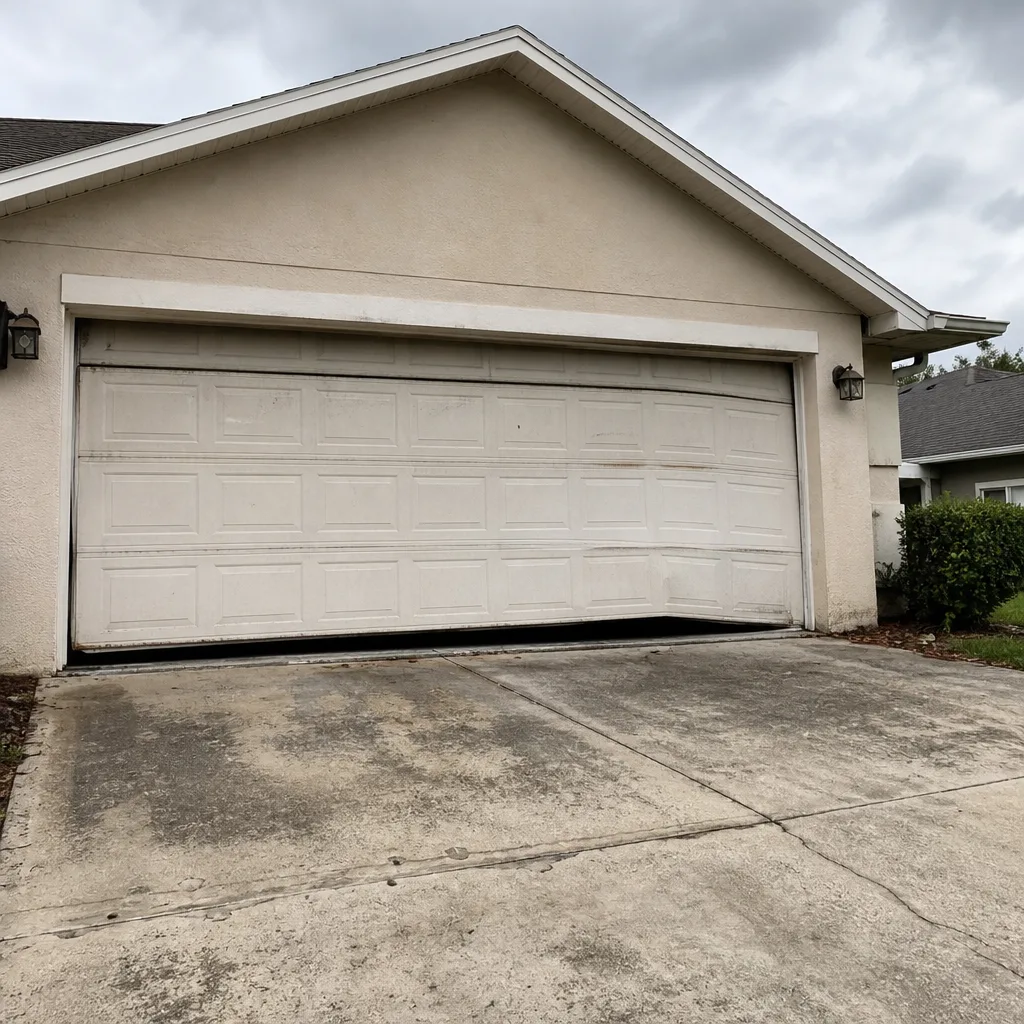 Before
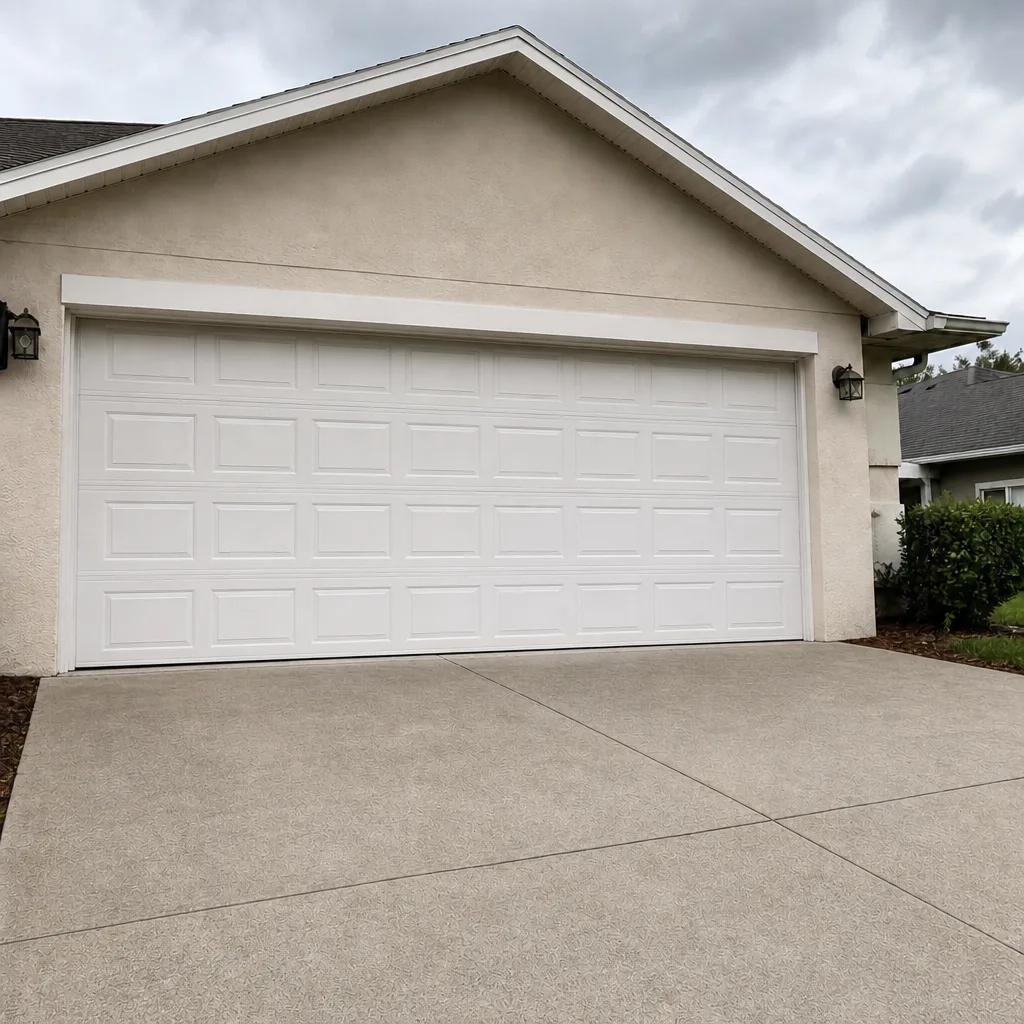 After
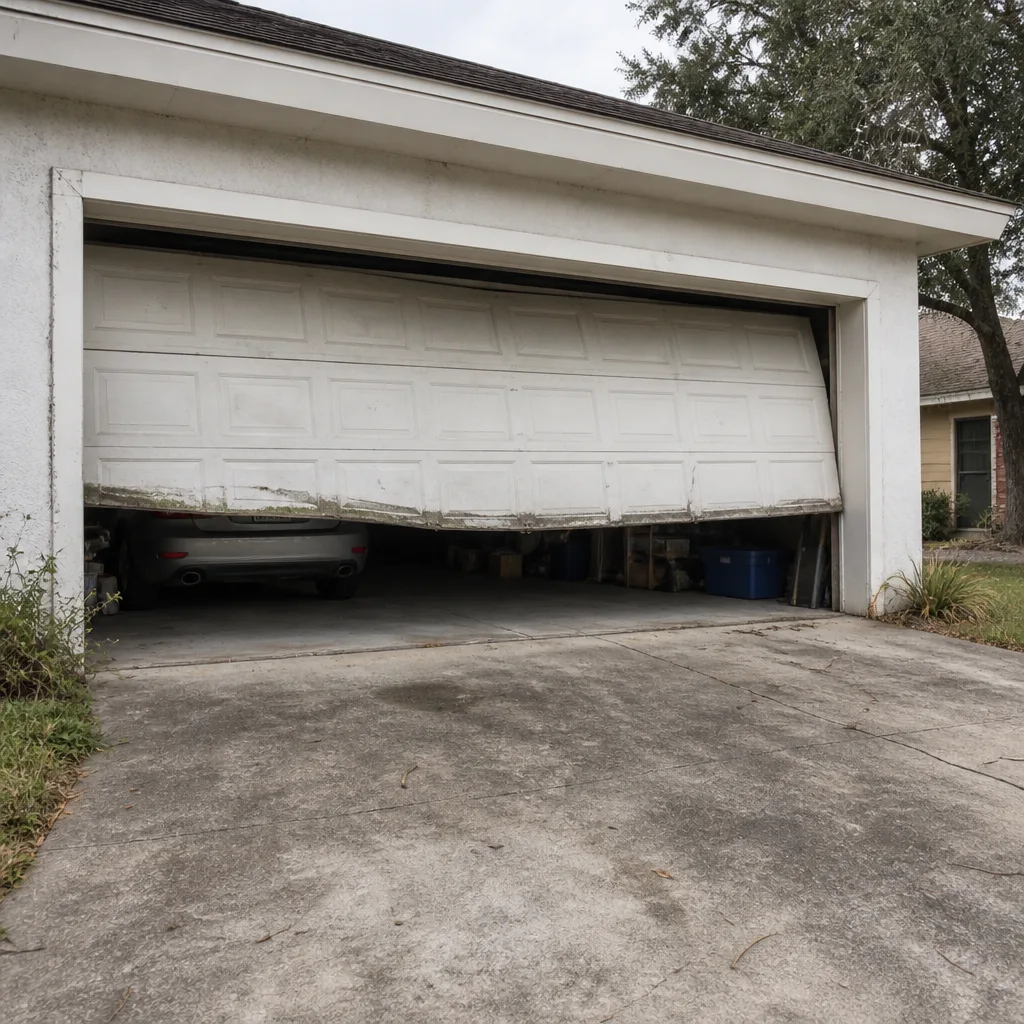 Before
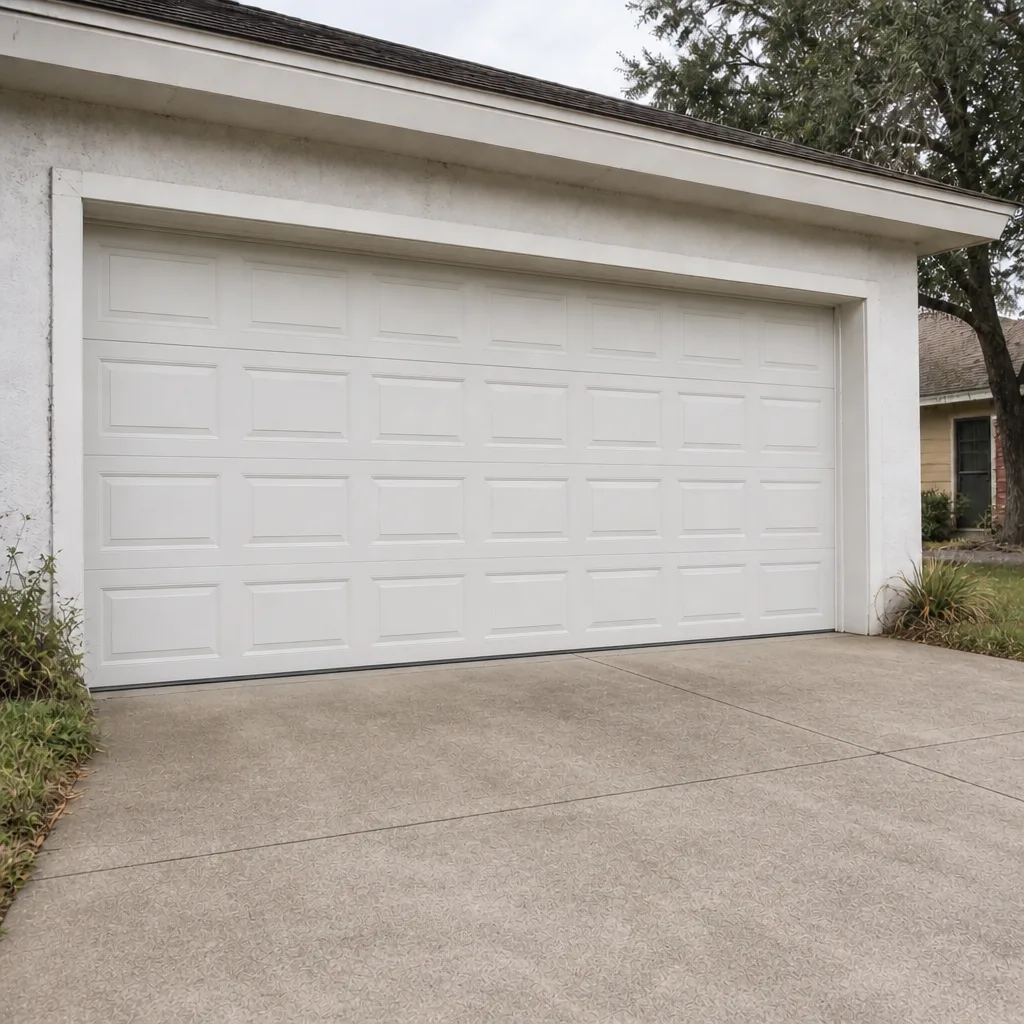 After
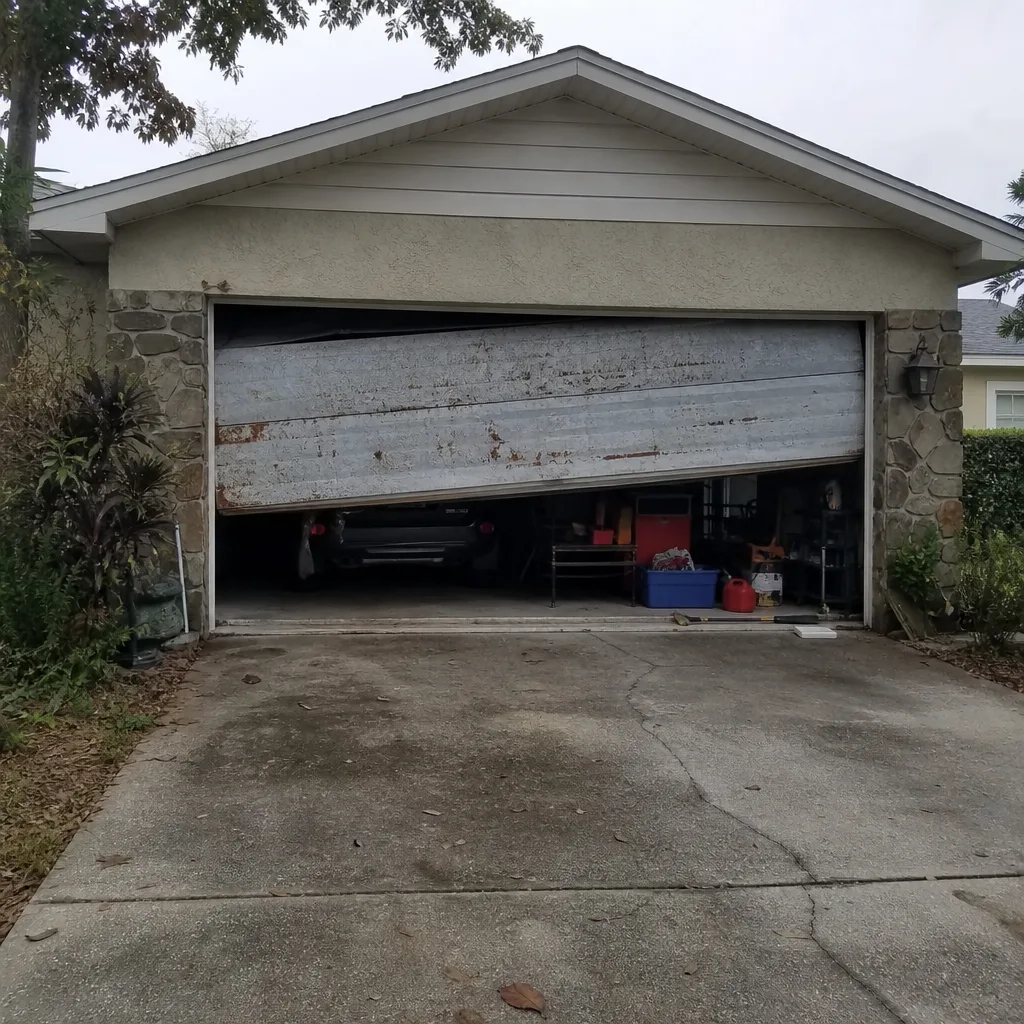 Before
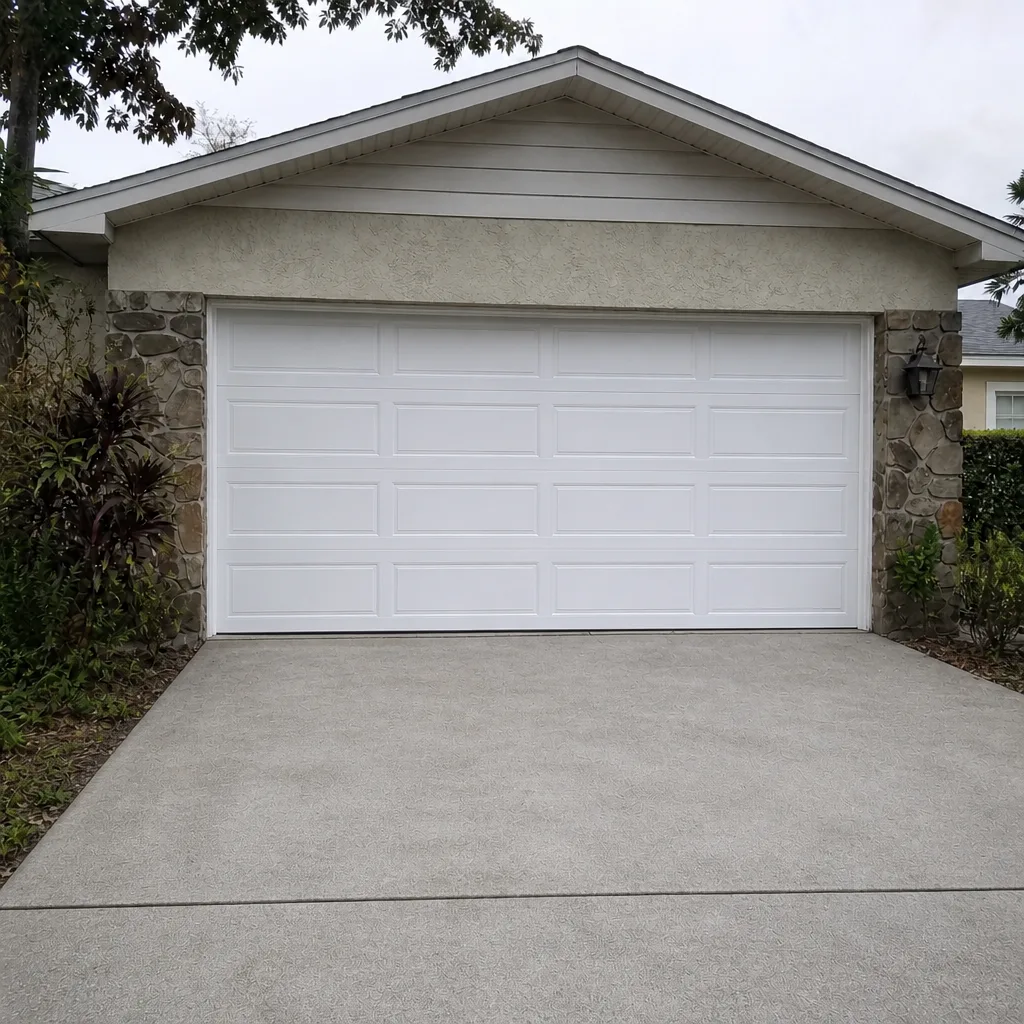 After
Common Mistakes to Avoid
- Hiring on price alone. The lowest quote often leaves out parts, disposal, or the permit. A slightly higher quote that covers everything is usually the better deal over the life of the job.
- Skipping the DBPR lookup. The state’s database is free and takes two minutes. Not checking is a self-inflicted risk.
- Accepting a verbal estimate. If it isn’t written down, it isn’t a commitment. The written estimate is what protects you if the bill changes.
- Letting the company source parts without asking which brand. Vague parts sourcing is a top complaint. Ask for the brand and part number before you approve the work.
- Assuming a general contractor is a garage door specialist. They aren’t, and it’s not their fault. The license doesn’t tell you what they know; the phone questions do.
- Ignoring the spring warning signs. A sagging door or a visible gap in the spring is not something to wait on. The risk increases the longer it’s left.
- Skipping the estimate expiration date. An estimate that doesn’t expire tells you the scope isn’t locked down. Ask when it expires and what’s covered.
When to Call a Professional
Some garage door problems are small, and some are not. Call a professional if the door won’t open or close at all, if you hear a loud bang and the door stops working (a common spring failure symptom), if the door is visibly off its tracks or sagging on one side, if the opener runs but the door doesn’t move, or if the safety sensors are stuck and won’t reset. In each of these cases, the fix involves either high-tension components or electrical connections, and neither is a good candidate for DIY troubleshooting. If the door is moving but noisy, or the opener is acting up intermittently, those are worth a call too before they turn into bigger problems.
Garage Door Repair New Tampa offers free estimates in New Tampa. Call (844) 443-4770 to schedule a visit, and we’ll give you a written estimate before any work starts.
Frequently Asked Questions
Florida does not issue a garage-door-specific license. Garage door work is typically performed under a general, building, or residential contractor license through the DBPR, so verify the license type and confirm it’s active before hiring. Ask which license class the company holds and whether a permit is required for your job. Call (844) 443-4770 for a free estimate.
Ask for a certificate of insurance in writing, confirm the coverage is current, and check that workers’ compensation covers the technicians who will be on site. Confirm the certificate matches the business name on the license lookup and the estimate. If anything doesn’t match, ask for an explanation before you schedule. Call (844) 443-4770 for a free estimate.
A specialist works only on garage doors and openers and knows the failure points of each major brand. A general contractor can legally do the work but may handle many trades at once and subcontract the garage door portion. The phone questions separate them: brand, spring type, parts sourcing, and estimate process. Call (844) 443-4770 for a free estimate.
The written estimate sets the final price unless the scope changes. If the technician finds something that wasn’t in the original scope, the company should stop and re-quote before continuing. Ask about this process up front, and make sure the estimate covers parts, labor, disposal, and any permits. Call (844) 443-4770 for a free estimate.
Ask which brands and part numbers they keep on hand, and whether the specific parts for your door are stocked or ordered. A company that can name the brands and the lead times for anything not in stock is being straight with you. “We carry everything” is a red flag. Call (844) 443-4770 for a free estimate.
Permit requirements vary by jurisdiction and by the scope of the work. Ask the City of Tampa or Hillsborough County building department directly for your address. A qualified contractor will know whether a permit is typically required and will tell you whether the estimate includes it. Call (844) 443-4770 for a free estimate.
The Bottom Line
Hiring a garage door contractor in New Tampa comes down to three checks: verify the license, confirm the insurance, and ask the questions that separate a specialist from a generalist. Florida’s licensing structure doesn’t filter for garage door expertise, so you have to do that part yourself. Get the estimate in writing, make sure it itemizes parts, labor, disposal, and any permits, and don’t sign until the scope is clear. A company that answers every question on the first call is the company worth hiring. Anything less is a risk you don’t need.
If you’d rather skip the guesswork, we’re happy to walk you through it. Call (844) 443-4770 for a free estimate, and we’ll give you a written price before any work begins. Whatever brand is on your door, we know it, and we’ll tell you exactly what the job involves.
Written by the team at Garage Door Repair New Tampa.