Last updated November 22, 2026
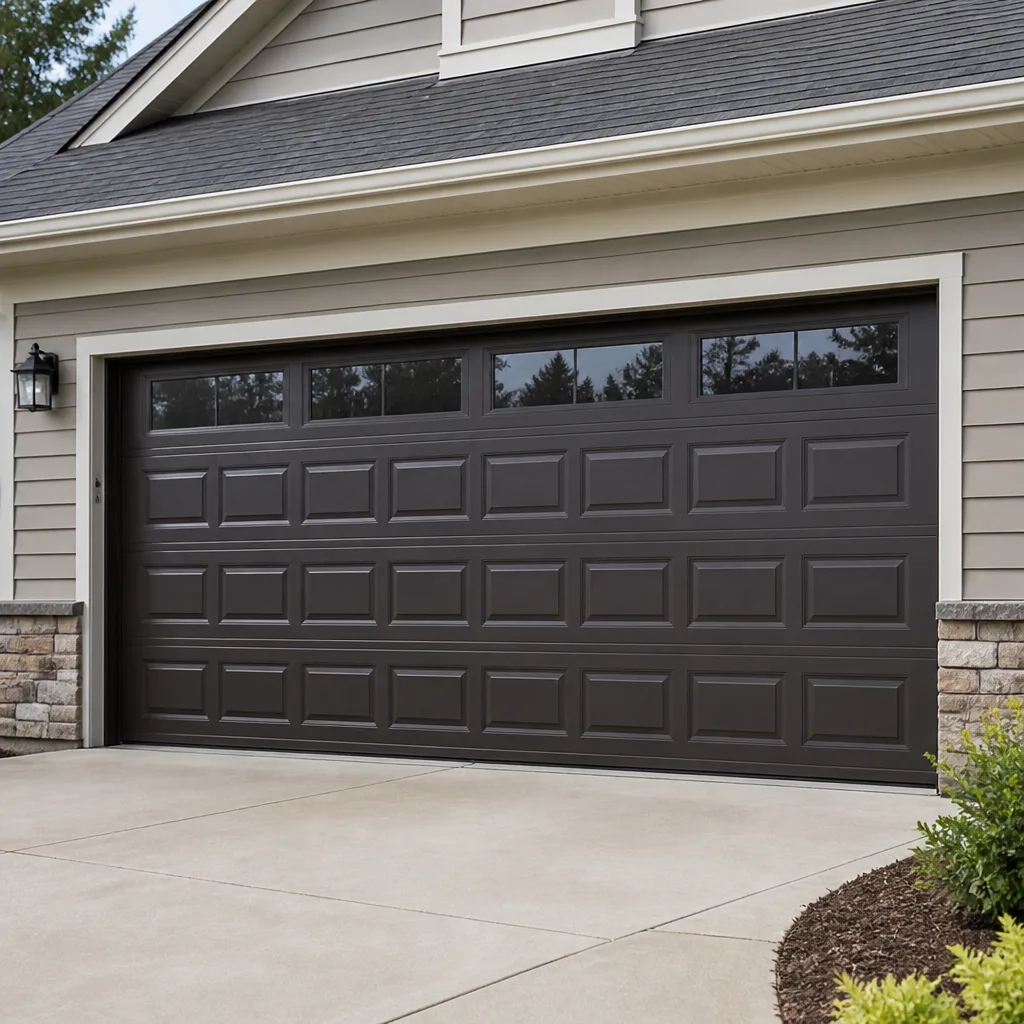 Raised-panel steel
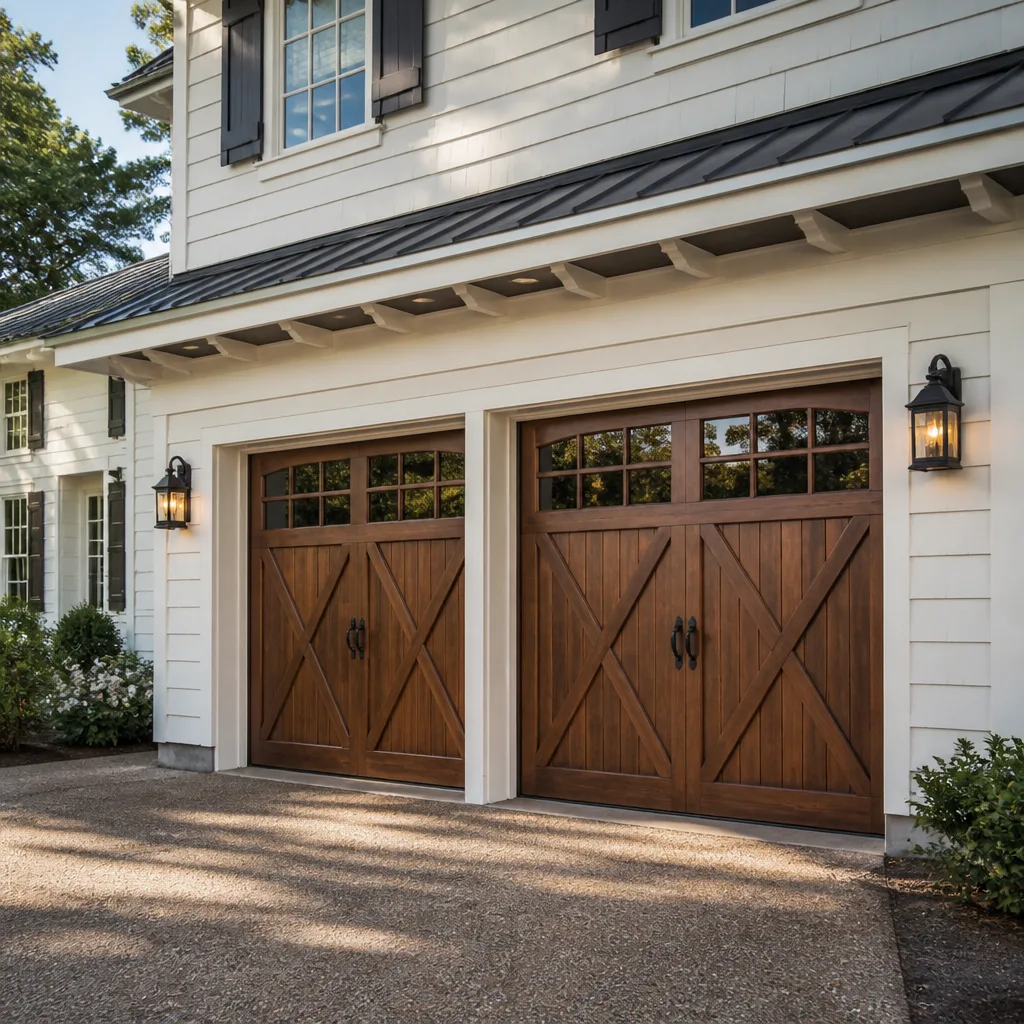 Carriage house
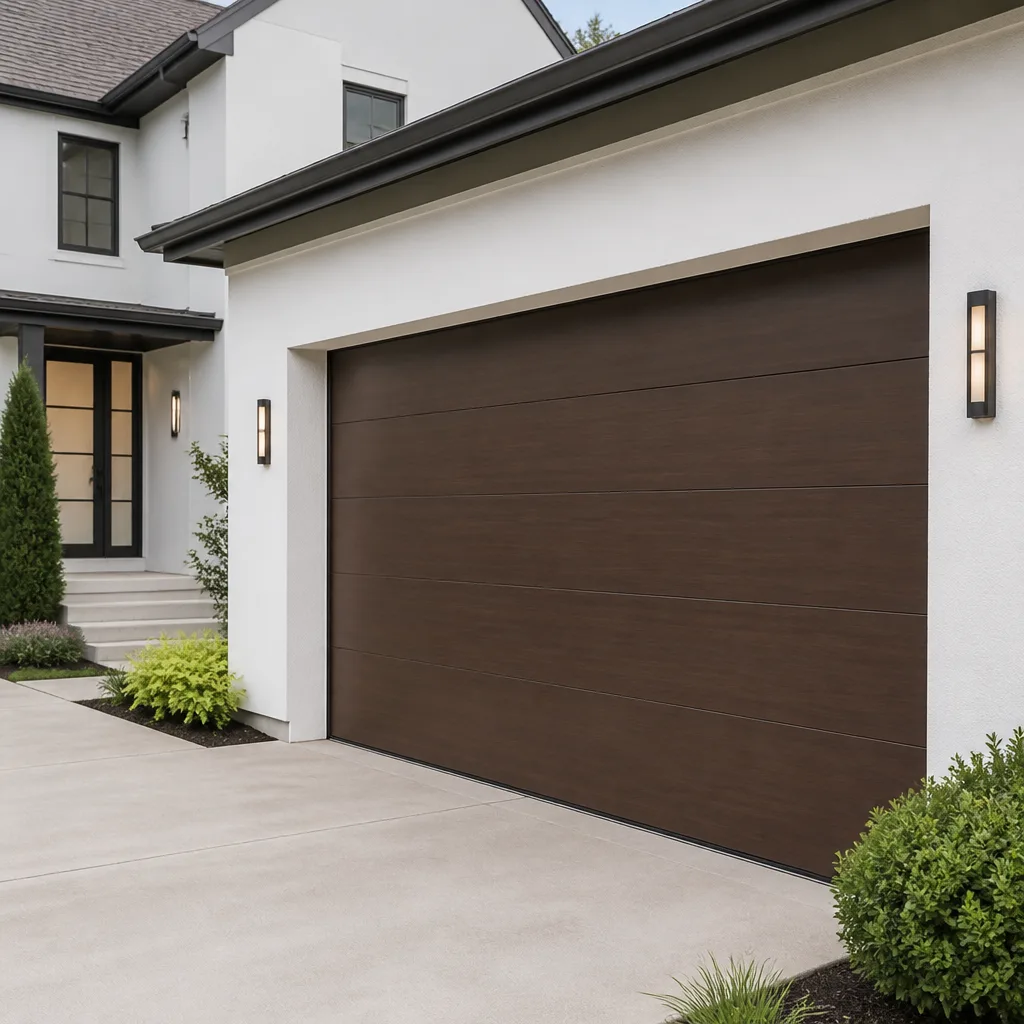 Modern flush
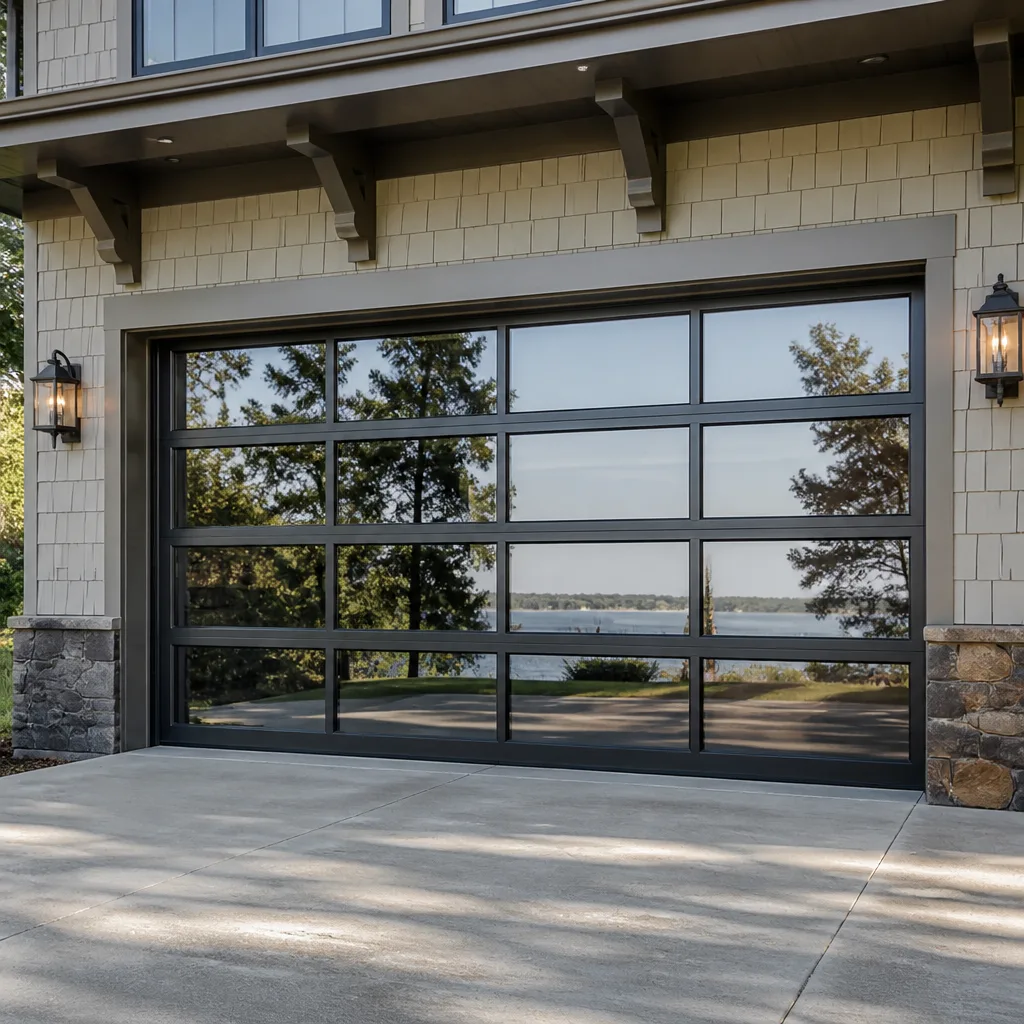 Full-view glass
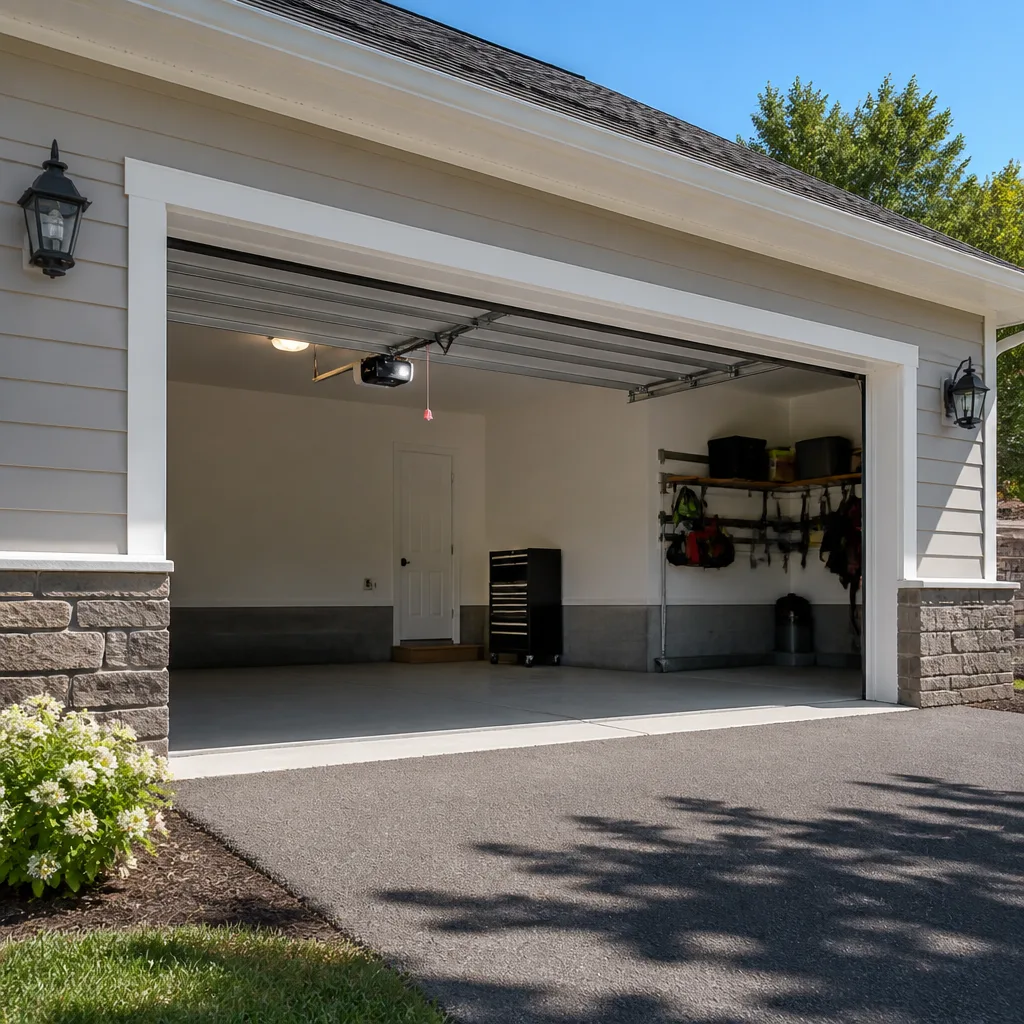 LiftMaster openers
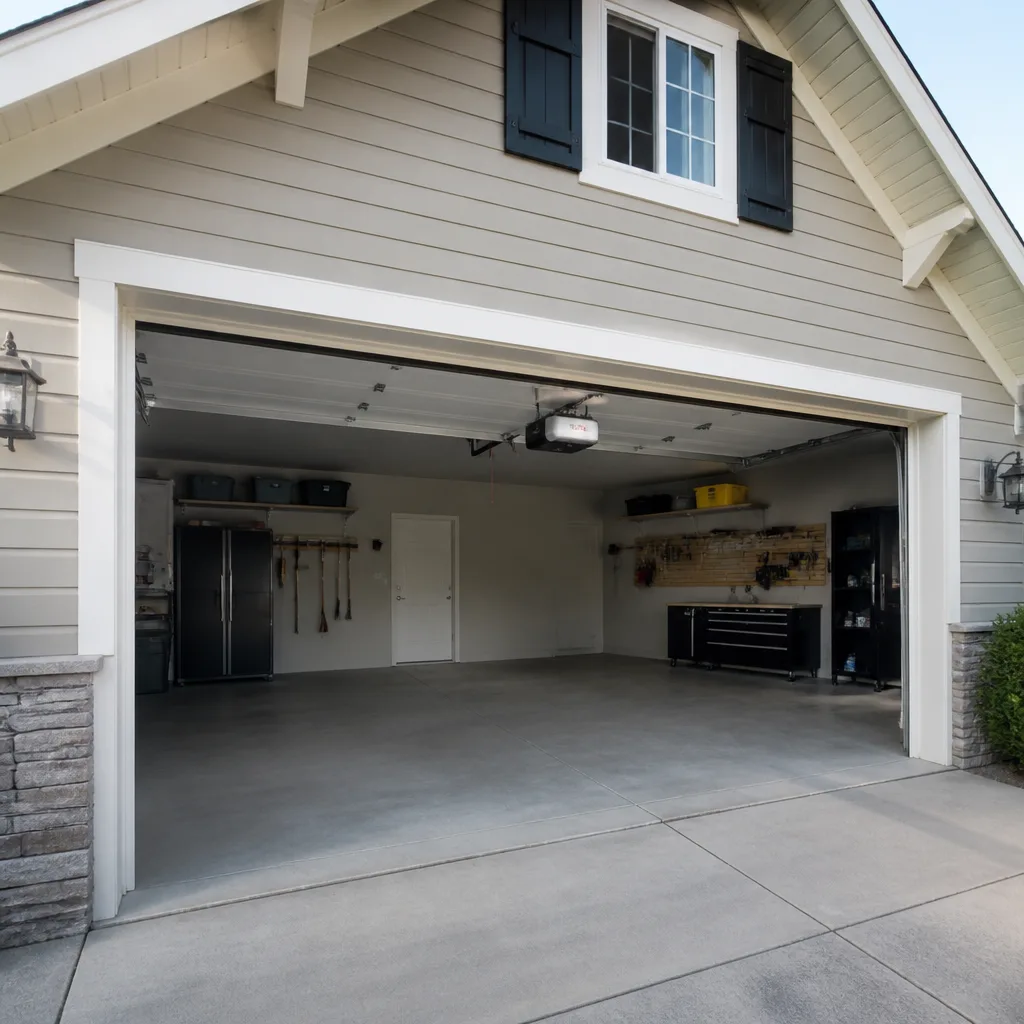 Chamberlain openers
Full 25-point door and opener safety check with every visit - springs, cables, rollers, tracks, and your LiftMaster or Chamberlain opener included
You get a price before we start. It does not change when the pro arrives.
Get your free estimateGarage Door Permits, Codes & Inspections in New Tampa, FL: What You Need to Know
Here’s the part of garage door replacement that surprises most homeowners in New Tampa: the door you buy today may need to meet a wind-load standard that didn’t exist, or wasn’t enforced the same way, when your current door went in. That’s not a sales pitch. It’s Florida Building Code, and it’s why a permit question comes up on jobs that look purely cosmetic from the driveway. In this guide we’ll walk through when Hillsborough County actually requires a permit for garage door work, when a like-for-like swap can skip the full review, how your HOA approval fits in without replacing the county’s role, and what an unpermitted door can do to you at resale. If you’ve been told you don’t need a permit, this is the page to read before you sign anything.
Styles & brands we work with
- Raised-panel steel
- Carriage house
- Modern flush
- Full-view glass
- LiftMaster openers
- Chamberlain openers
Quick Answer
In Hillsborough County, replacing a garage door generally requires a permit when the door is a different size, model, material, or wind-load rating than what was originally permitted, and a like-for-like replacement with documentation usually moves through a simpler review. Any change to the opening, the header, or the door’s design pressure rating triggers full plan review under the Florida Building Code. Your HOA in a New Tampa community may also require its own approval, but that approval never substitutes for a county permit.
Table of Contents
- Why Garage Door Permits Tripped Up So Many New Tampa Homeowners
- When Does a Garage Door Replacement Need a Permit in Hillsborough County?
- Wind-Load Requirements and Hillsborough County’s Wind Zone
- How New Tampa HOA Approval and County Permits Interact
- Who Pulls the Permit: You or the Contractor?
- How to Verify a Permit Was Actually Filed
- What Happens at the Inspection
- What Unpermitted Garage Door Work Does at Resale
- Common Mistakes to Avoid
- When to Call a Professional
- Frequently Asked Questions
- The Bottom Line
Why Garage Door Permits Tripped Up So Many New Tampa Homeowners
Garage doors in New Tampa are not treated like a mailbox or a garden shed by the building department. They’re a large, heavy, moving assembly on the windward face of the house, and in a wind zone that matters. The building code treats the garage door as part of the building envelope. That’s the whole reason permits exist for this work, and it’s why an installer who waves off the question is raising a flag.
Most of the confusion we run into comes from three places:
- The old door was installed under different rules. When a home in Tampa Palms, Westchase, or Hunter’s Green was originally built, the door installed then met the code of that time. A new door today has to meet the code and wind-load rating required now, and those aren’t always the same numbers.
- “Like-for-like” gets thrown around loosely. Homeowners hear it from a contractor and assume it means “no permit needed.” It’s usually the opposite: like-for-like is the shortcut that still requires the permit, just with less paperwork attached.
- HOA approval gets mistaken for government approval. They’re completely separate processes, and one does not check the other’s work. A door approved by your HOA can still fail a county inspection, and a door that passes county review can still violate HOA rules.
The good news is that the process is not complicated once you know the sequence. A permitted door with proper documentation protects you at inspection, at resale, and if a storm ever tests it. A door without that paperwork becomes a homeowner’s problem later. In our work across New Tampa, we’ve seen how much smoother a job goes when the permit question gets settled before the door is ordered rather than after it’s hung.
When Does a Garage Door Replacement Need a Permit in Hillsborough County?
The general rule in Hillsborough County is that a garage door replacement that changes the door’s size, model, material, or design pressure rating needs a permit and a compliance review. A true like-for-like replacement, where the new door matches the specs of the door that was originally permitted, typically moves through a faster review with the supporting documentation. Same door, same opening, same wind rating: simpler review. Different anything: full review.
The clearest way to think about it is to ask what actually changed:
- Same size, same model, same rating. This is the classic like-for-like case. You still file a permit, but the documentation attached is usually just the product specs and the existing permit record.
- Same opening, new model or material. Changing from a steel door to an aluminum or wood-look door, or switching to a different manufacturer’s model, changes the performance data. That almost always triggers a fuller review because the design pressure rating has to be re-verified.
- Larger or smaller door. Resizing the opening means structural changes to the header and jambs, and that’s a full plan review with engineering. No shortcut here.
- Adding a door, or converting a wall to a door. This is a structural project, not a swap. Full review, engineering, and a longer timeline.
- Changing to a wind-rated hurricane door. Purpose-built impact-rated doors need the manufacturer’s product approval documentation, and the review checks that the door’s rating meets or exceeds what the code requires for the location.
One important note: the building department’s interpretation can depend on the age of the existing permit record. Homes in some of New Tampa’s newer communities have clean digital permit histories that make verification straightforward. Homes in older sections sometimes have records that are harder to pull. Either way, the answer to “do I need a permit” is almost always yes. It’s the scope of the review that changes.
The only reliable way to know which path your job takes is to ask the city’s building department directly, or to have your contractor do it for you. We recommend getting the answer in writing before the door is ordered. If you’re also weighing a full replacement versus a fix, our guide to garage door repair covers when a repair is the better path – and a repair typically needs less permitting than a replacement.
Wind-Load Requirements and Hillsborough County’s Wind Zone
Hillsborough County sits in a high-wind region, and garage doors in New Tampa have to meet a wind-load requirement based on the door’s design pressure rating. That rating is a number tied to how much wind force the door assembly can withstand, and it’s part of what the county checks during review. A door that was fine 15 years ago may not meet the same rating a new door is required to meet today. This is the practical reason a simple-looking door swap can suddenly involve a compliance review.
What this means for you in plain terms:
- The door’s rating must match the code requirement for the opening. Not just “a hurricane door,” but a door whose published design pressure rating meets or exceeds the requirement. The manufacturer’s product approval documentation is what proves it.
- The rating is part of the permit package. The building department reviews the product data sheet and checks the number against the requirement. If the documentation is missing or the number falls short, the permit gets held up.
- The rest of the door assembly matters too. Tracks, hinges, and the reinforcement of the door itself all contribute to whether the assembly performs as rated. That’s why a properly permitted installation includes the full assembly, not just the panels.
- The opener is a separate question. Wind-load requirements apply to the door and its structural connections, not to the operator. That said, opener work is still worth getting right, and our page on garage door opener repair covers what a proper install involves.
When we’re spec’ing a replacement door in New Tampa, the product approval paperwork comes first, before the order goes out. The brands we work with most often – Clopay, Amarr, Wayne Dalton, Raynor, and LiftMaster among them – each publish their design pressure documentation, and matching that paperwork to the county’s requirement is part of the job, not an afterthought. If a contractor doesn’t bring up wind-load documentation when you ask about permits, that’s your cue to ask why.
How New Tampa HOA Approval and County Permits Interact
New Tampa communities, from Tampa Palms to Westchase to Live Oak Preserve, almost all have architectural review boards or HOA architectural committees that require homeowners to submit exterior changes for approval before work starts. That approval is real and worth taking seriously, but it is not a permit. It’s a private covenant process run by the association, and it sits alongside the county permit rather than replacing it.
Here’s how the two fit together, in the order that actually works:
- Check HOA rules first, before you order a door. Get the association’s architectural guidelines for garage doors, which typically cover door style, panel design, color, and sometimes window inserts. Doing this first saves an order and a reorder.
- Submit the HOA architectural application. Send the door specs, product literature, and any required drawings. Expect a committee review timeline that varies by community. It’s not fast, and a rushed order based on “we’ll get approval later” is a classic mistake.
- File the county permit separately. Once you have HOA approval in hand, or at least a clear direction on which door is allowed, the county permit gets filed with the approved product specs. The county cares about code and wind-load compliance. It does not care whether your neighbors approve of the style.
- Complete both approvals before installation. A door installed on a county permit but without HOA approval may pass county inspection and still put you in violation with your association, which can result in a written notice and a requirement to remove or restyle the door.
We’ve run into both directions of this on New Tampa jobs: doors the county is happy with that the HOA wants restyled, and doors the HOA approved that don’t carry the design pressure documentation the county needs. The fix is always the same, and it’s simple: treat the HOA review and the county permit as two separate checkpoints that both need to clear. Neither one is a shortcut around the other. If you’re coordinating a new door from scratch, our page on garage door installation walks through the full sequence including permit and HOA steps.
Who Pulls the Permit: You or the Contractor?
In Hillsborough County, either the homeowner or a licensed contractor can pull the permit for garage door work, but the practical answer is usually the contractor – and you should confirm this in writing before work starts. The permit is tied to the property, but the responsibility for filing it and making sure the inspection passes typically sits with the party doing the installation. If a contractor tells you they “don’t handle permits,” that’s a signal to find someone who does, because a permitted job is the one you can prove later.
The decision has consequences that go beyond who fills out the form:
- Owner-pulled permits shift inspection responsibility to you. If you pull the permit as the homeowner, you’re the one who schedules the inspection and has to be on site for it. If something fails, the correction and re-inspection become your problem to manage.
- Contractor-pulled permits keep it all in one hand. A contractor pulling the permit is standard for a full replacement job, and it means they’re responsible for the correct product documentation, the installation matching the submitted specs, and the inspection passing.
- Subcontracted permit filing is worth questioning. If the company you hire is passing the permit filing to a third party, ask to see the permit number before work starts. It’s a simple check and it prevents a lot of confusion later.
- The permit number is your proof. Get the permit number and the property parcel information in writing, saved somewhere you’ll find it at resale. Homeowners who keep a permit file are the ones who sail through a title search when they sell.
In our experience across New Tampa, the jobs that go easiest are the ones where the contractor pulls the permit and gives the homeowner the number before the truck shows up. It’s not a complicated process. It just needs someone to own it, and the right answer is the company doing the work.
How to Verify a Permit Was Actually Filed
This is the step a surprising number of homeowners skip, and it’s the one that matters most for resale. A contractor can say the permit is handled, but a filed permit is a matter of public record. You can look it up yourself through the county’s online permit portal, and it takes a few minutes. You don’t need special access. You need the address and a bit of patience with the search fields.
Here’s how to confirm a permit was actually filed:
- Ask for the permit number in writing. Not a verbal “yeah, we filed it,” but a number. A contractor who has filed properly can give you one within a day of the application.
- Search the online permit portal. The county’s portal lets you search by address or by permit number. Enter one or the other and confirm the record exists, with a status showing the application was received.
- Check the scope on the record. The permit record should describe the work being done: door replacement, opening size, product specs. If the scope doesn’t match what’s being installed, that’s a problem to sort out before the door goes up.
- Confirm the inspection result after installation. Once the work is done, the portal will show whether the inspection passed. Save a screenshot or print the record page and put it with your home documents.
- Ask for a copy of the final documentation. A completed permit usually has a record of the inspection and any signed-off documents. Keep them together. This is the file that protects you when you sell.
If the permit search comes back empty after you’ve been told it was filed, that’s not a reason to panic. It’s a reason to call and ask. Sometimes the application is still processing, which is a normal delay. Sometimes it was never filed at all, which is a bigger problem and one you want to catch before installation, not after. When we’re running a job in New Tampa, giving the homeowner the permit number is part of the handoff, because we’d rather answer the question now than have it come up at a title search years later.
What Happens at the Inspection
A garage door inspection in Hillsborough County typically checks four things: that the door installed matches the product specs on the permit, that the wind-load rating documentation matches the door as installed, that the assembly is properly anchored and reinforced, and that the installation meets the manufacturer’s requirements. The inspector isn’t grading the style or judging the look. They’re confirming the door on the house is the door in the paperwork, installed the way the paperwork says to install it.
Most of the reasons a garage door inspection fails are preventable, and they cluster around the same few issues:
- Mismatched documentation. The permit lists one product and the door installed is a different model or rating. This is the most common failure, and it happens when the door gets swapped after the permit was filed without updating the paperwork.
- Anchoring that doesn’t match the spec. The installation manual for the specific door specifies a certain fastening pattern. If it wasn’t followed, the inspector will flag it.
- Missing product approval paperwork on site. Some inspections ask for the product documentation to be available. Having it printed and ready saves a return trip.
- Track and hardware issues. Tracks that are out of alignment or hardware that doesn’t match the rated assembly can fail review even when the door itself is correct.
If the inspection does fail, the correction is usually straightforward: bring the installation into line with the submitted documentation, then schedule a re-inspection. The cost of a failed inspection is mostly time, and a contractor who knows the process will anticipate the common pitfalls before the inspector arrives. Our technicians work with LiftMaster, Chamberlain, Genie, Craftsman, Clopay, Amarr, Wayne Dalton, and Raynor assemblies regularly, so the documentation and installation details for each come as no surprise. When the paperwork and the install match, the inspection is usually a short visit.
What Unpermitted Garage Door Work Does at Resale
Unpermitted garage door work becomes a problem at resale because it shows up in the title search, and it’s one the buyer’s inspector will look for. When a home inspection reviews a garage door, the inspector checks the door’s operation, the safety reverse, the spring condition, and whether the door appears to be installed correctly. If a permit record doesn’t exist for a replacement, the inspector flags it as unpermitted work, and the buyer’s lender can require it be resolved before closing. That doesn’t necessarily mean the door has to come off. It can mean a retroactive permit, an inspection, and possible correction of the installation to meet documentation that was never filed.
The practical consequences tend to look like this:
- A delayed closing. Unpermitted work gets added to the buyer’s repair negotiation list, and the closing waits on a resolution while the seller and buyer figure out who’s paying for the retroactive permit and any corrections.
- Price negotiation leverage for the buyer. Whether or not the door is actually unsafe, the word “unpermitted” in an inspection report is a negotiating tool. The seller usually ends up absorbing the cost.
- A retroactive permit process. Getting a permit after the fact is possible in most cases, but it involves inspection of the existing installation and correction of anything that doesn’t match the approved product documentation. It’s more work than filing up front.
- Insurance complications. Some wind and property policies ask about permitted improvements when a claim is filed after a storm. An unpermitted door can complicate that conversation, and it’s a call you don’t want to make after the fact.
None of this is meant to alarm you. It’s meant to show that the permit isn’t just paperwork. It’s the record that keeps a door a door instead of a question mark when the house changes hands. A permitted job is a slightly slower job. An unpermitted one is a slower sale.
Common Mistakes to Avoid
- Assuming “like-for-like” means “no permit.” It almost never does. Like-for-like is the reduced-documentation path that still requires a permit and an inspection, so treat it as a shortcut through the paperwork, not around it.
- Ordering the door before checking HOA rules. In New Tampa communities like Tampa Palms and Westchase, the HOA architectural review can require a specific door style or color. Ordering first and asking later often means eating a restocking fee or replacing a door that was never going to be approved.
- Treating the HOA approval as the permit. They’re separate checkpoints. A door that clears the architectural committee and skips the county permit is a door that can fail inspection or trip up a title search. Both boxes need a check.
- Skipping the wind-load documentation check. A product data sheet with the wrong design pressure rating will hold a permit. Confirm the documentation matches the door and the county requirement before installation.
- Not asking for the permit number in writing. Verbal assurance is not proof. Ask for the number, save it, and confirm it through the county’s portal before the installation begins.
- Letting a contractor change the door after the permit is filed. If the door model or rating changes, the permit needs to be updated to match. Installing a different product than the one on the permit is a common reason inspections fail.
- Not keeping the final inspection record. The permit file is proof for resale, insurance, and any future warranty question. Save the completed record somewhere you’ll find it.
When to Call a Professional
Permit questions are one reason to call a garage door specialist in New Tampa, but they aren’t the only one. Springs and cables are under high tension, and a torsion spring or extension spring that lets go can cause serious injury. We never recommend homeowner spring work, even on a door that seems to be holding. That’s not a sales posture; it’s the nature of the mechanism. A door that’s off its track, a door that reverses unevenly, a panel that’s cracked, or an opener that won’t disengage are all worth a professional look before they turn into a bigger problem. And when you’re ready to replace a door, the permit and wind-load documentation are part of the job, not an add-on.
Garage Door Repair New Tampa offers free estimates in New Tampa. Give us a call at (844) 443-4770 and we’ll walk through the permit question for your address, confirm what your HOA needs, and give you a written estimate before any work starts. Whatever brand is on your door, we know it. From a broken spring to a brand-new door, one call covers it.
Frequently Asked Questions
Most garage door replacements in New Tampa require a permit through Hillsborough County. A like-for-like replacement, where the new door matches the size, model, material, and wind-load rating of the previously permitted door, usually moves through a simpler review, while a change to any of those specifications triggers fuller plan review. Call us at (844) 443-4770 and we’ll help you sort out which path your job takes.
No. HOA approval and a county permit are two separate checkpoints, and one does not substitute for the other. The county reviews code and wind-load compliance; your HOA reviews style, color, and community standards. Both approvals need to be in place before installation. Call us at (844) 443-4770 if you need help sequencing the two.
Unpermitted garage door work shows up at resale during the buyer’s inspection and title search, and the buyer’s lender can require it be resolved before closing. That usually means a retroactive permit, an inspection of the existing installation, and correction of anything that doesn’t match the product documentation. Call us at (844) 443-4770 if you’re facing this on a sale.
Either the homeowner or the licensed contractor can pull the permit, but the practical answer is usually the contractor doing the installation. Contractor-pulled permits keep the filing, product documentation, and inspection in one set of hands. Ask for the permit number in writing before work starts. Call us at (844) 443-4770 and we’ll confirm who’s filing on your job.
You confirm a permit was filed by searching the county’s online permit portal by address or permit number. The record should show the application status and the scope of work, and after installation it should show the inspection result. Save a copy of the record with your home documents. Call us at (844) 443-4770 if you need a hand finding the right search fields.
A garage door inspection generally checks that the installed door matches the product documentation on the permit, that wind-load ratings match, that the assembly is anchored and reinforced per the manufacturer’s spec, and that the installation meets the code in effect. A failed inspection is usually about mismatched paperwork or anchoring, not the door itself. Call us at (844) 443-4770 to get the documentation right before the inspection.
The Bottom Line
If you’re replacing a garage door in New Tampa, assume a permit is required and work backward from there. A like-for-like swap may take a simpler review path, but it’s still a permitted job. A change to model, size, material, or wind-load rating triggers fuller review. Your HOA process runs in parallel and never replaces the county permit. Pull the permit with the contractor, get the number in writing, verify it through the county portal, and keep the final inspection record for resale. Springs remain a job for a trained professional, never a homeowner project. If you’d like help with any of this on a New Tampa door, we’re one call away.
For a free estimate on a repair, replacement, or new door in New Tampa, call (844) 443-4770. We’ll walk through the permit requirements for your address, confirm what your HOA needs, and give you a written estimate before any work begins. You can also start with our Garage Door Repair New Tampa page for an overview of the full service range.
Written by the team at Garage Door Repair New Tampa.
See the difference
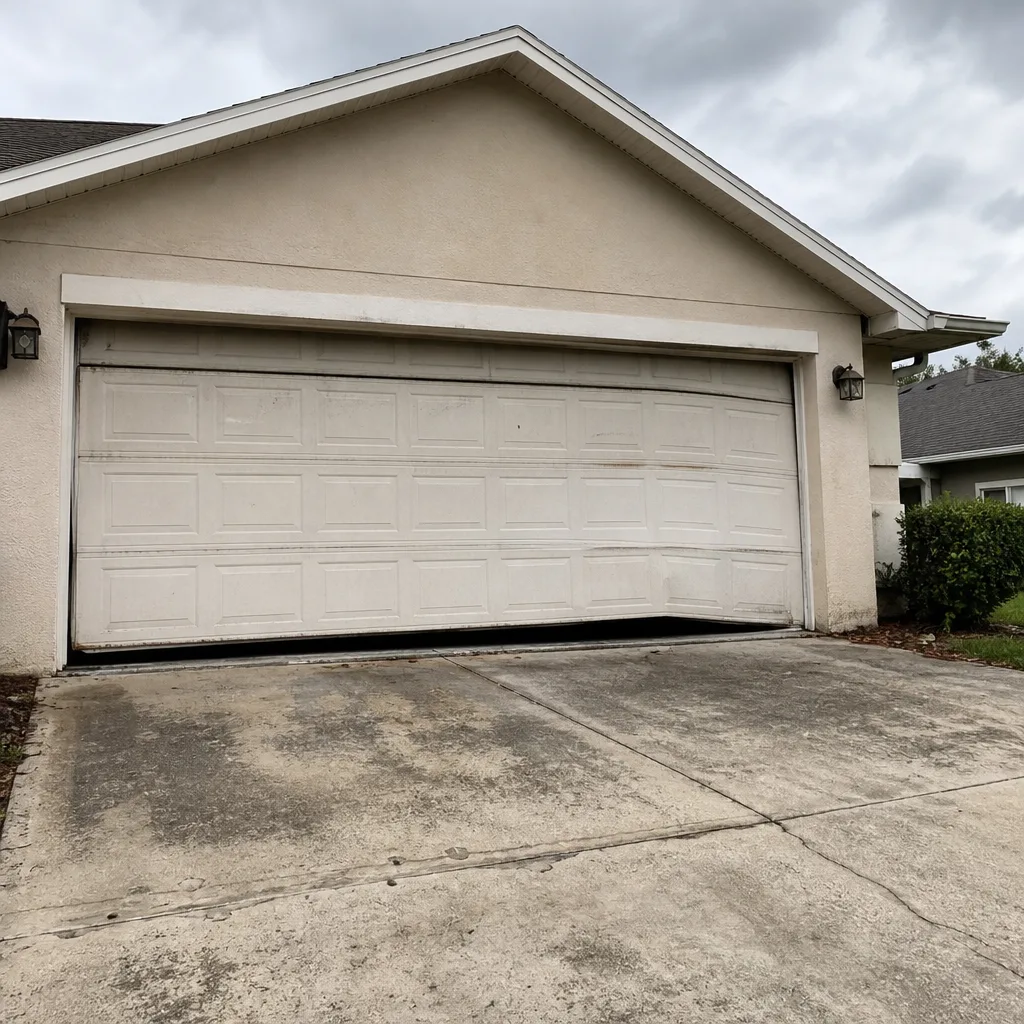 Before
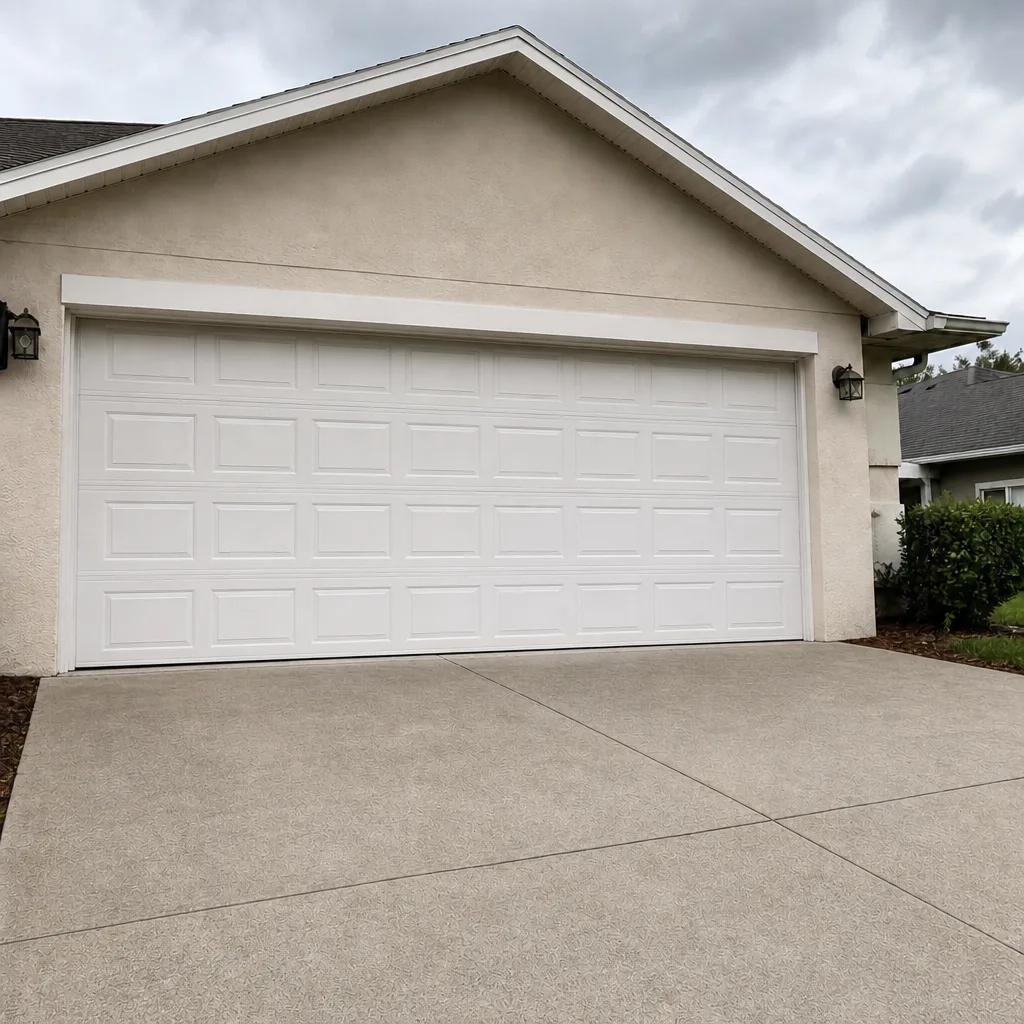 After
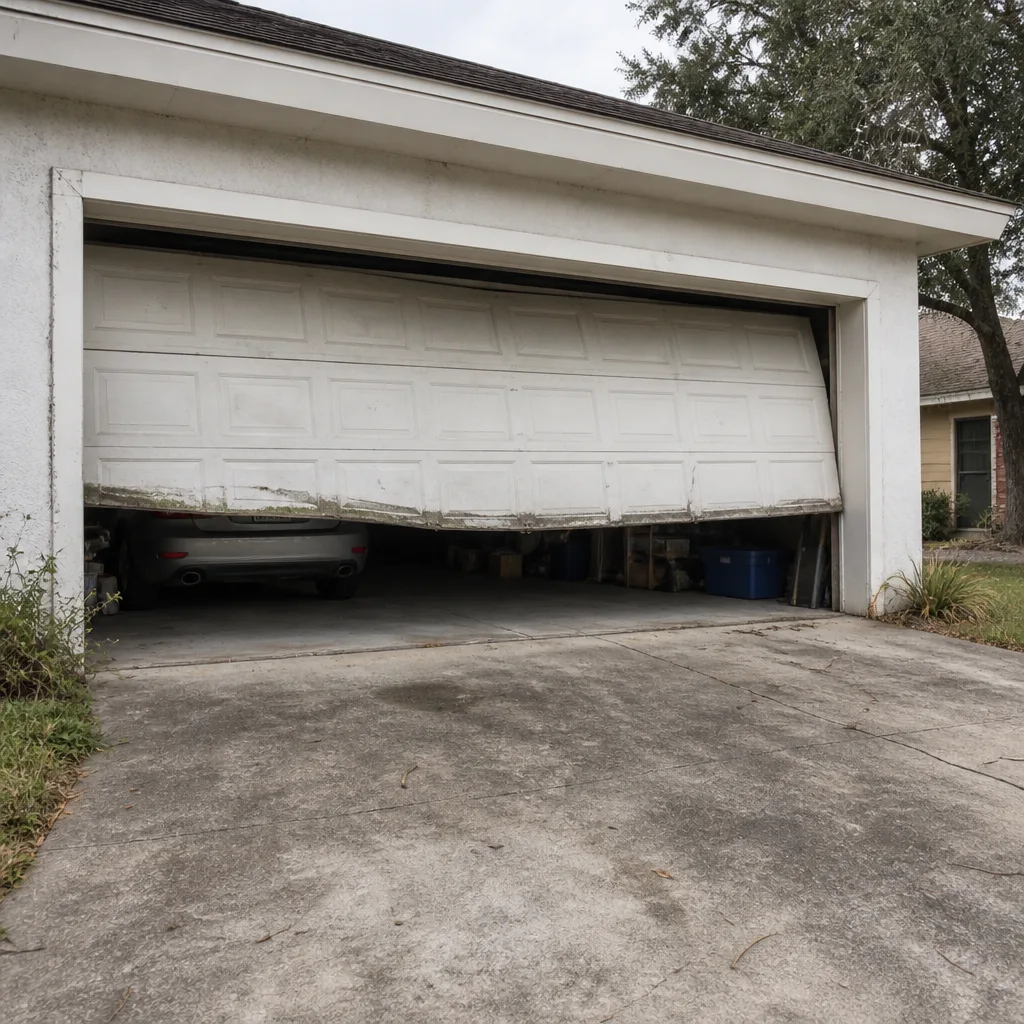 Before
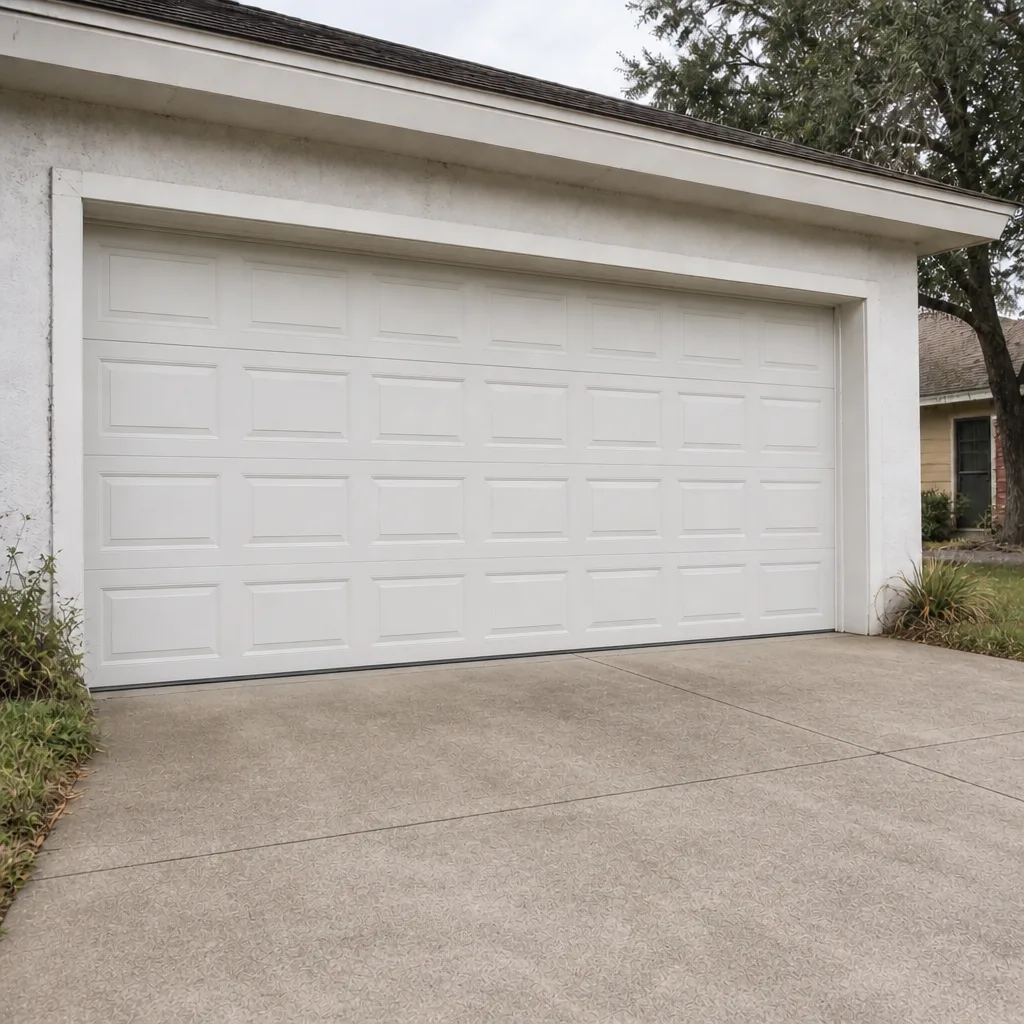 After
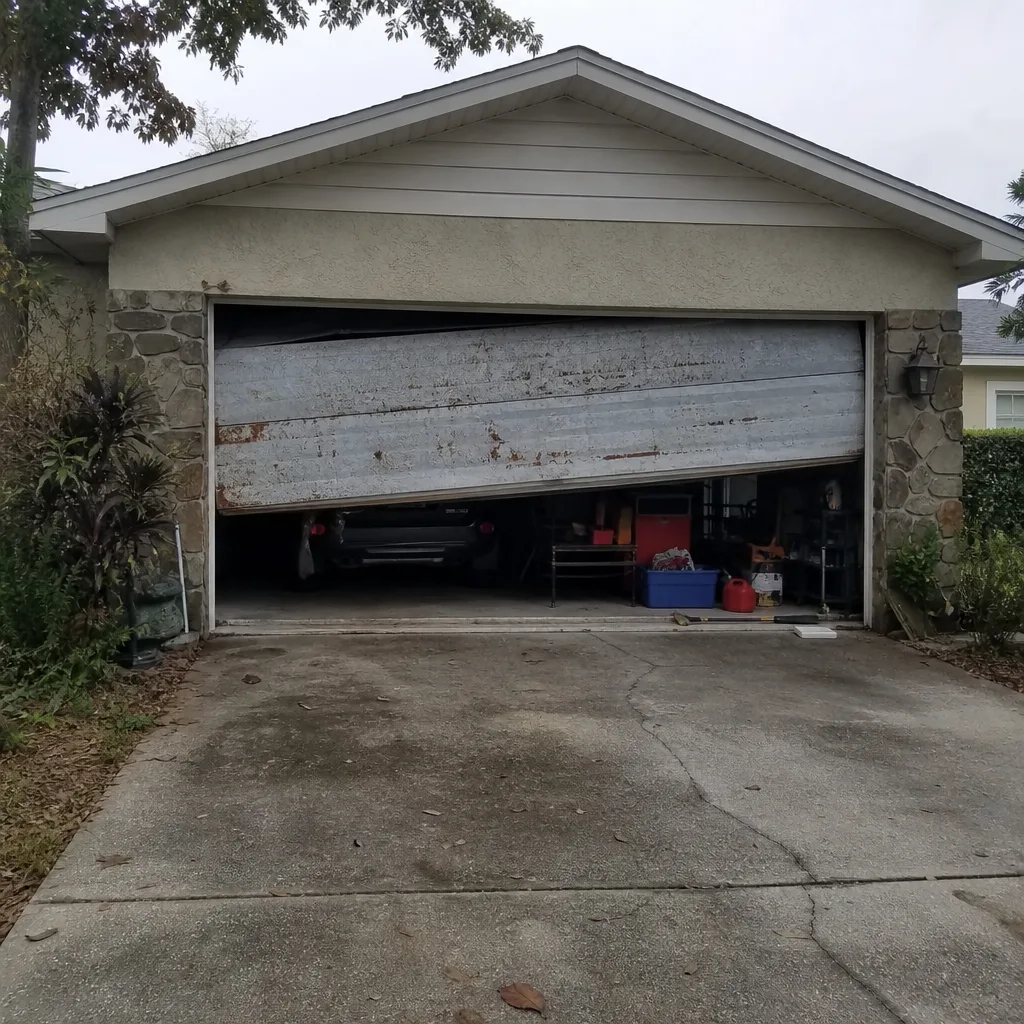 Before
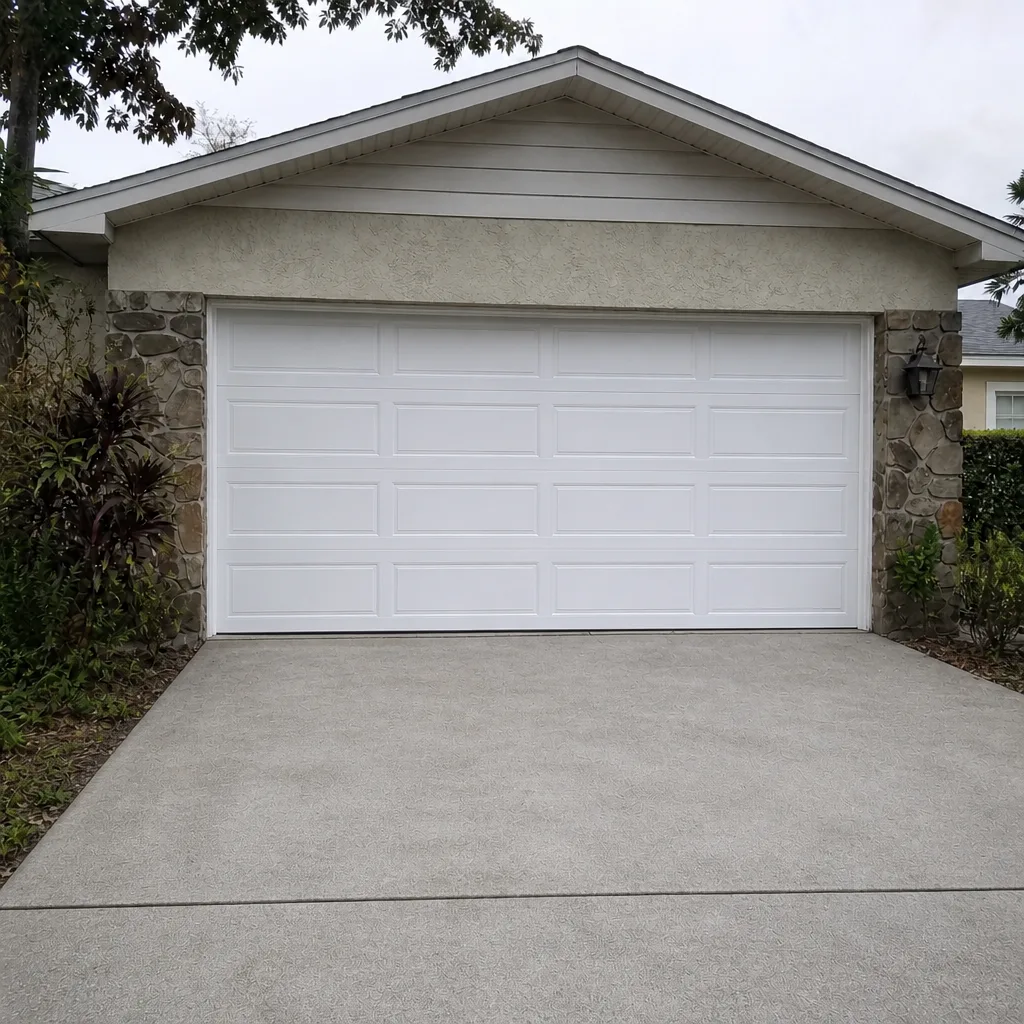 After