Last updated November 22, 2026
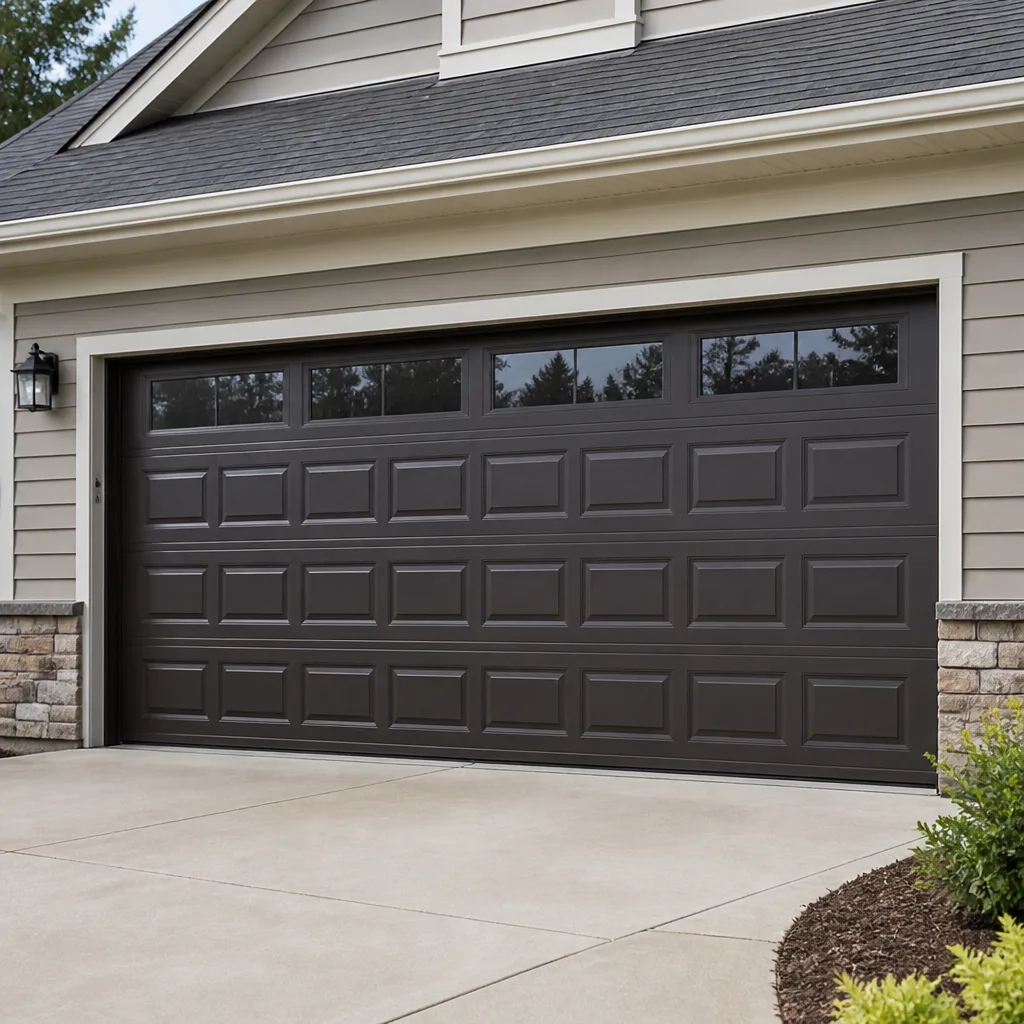 Raised-panel steel
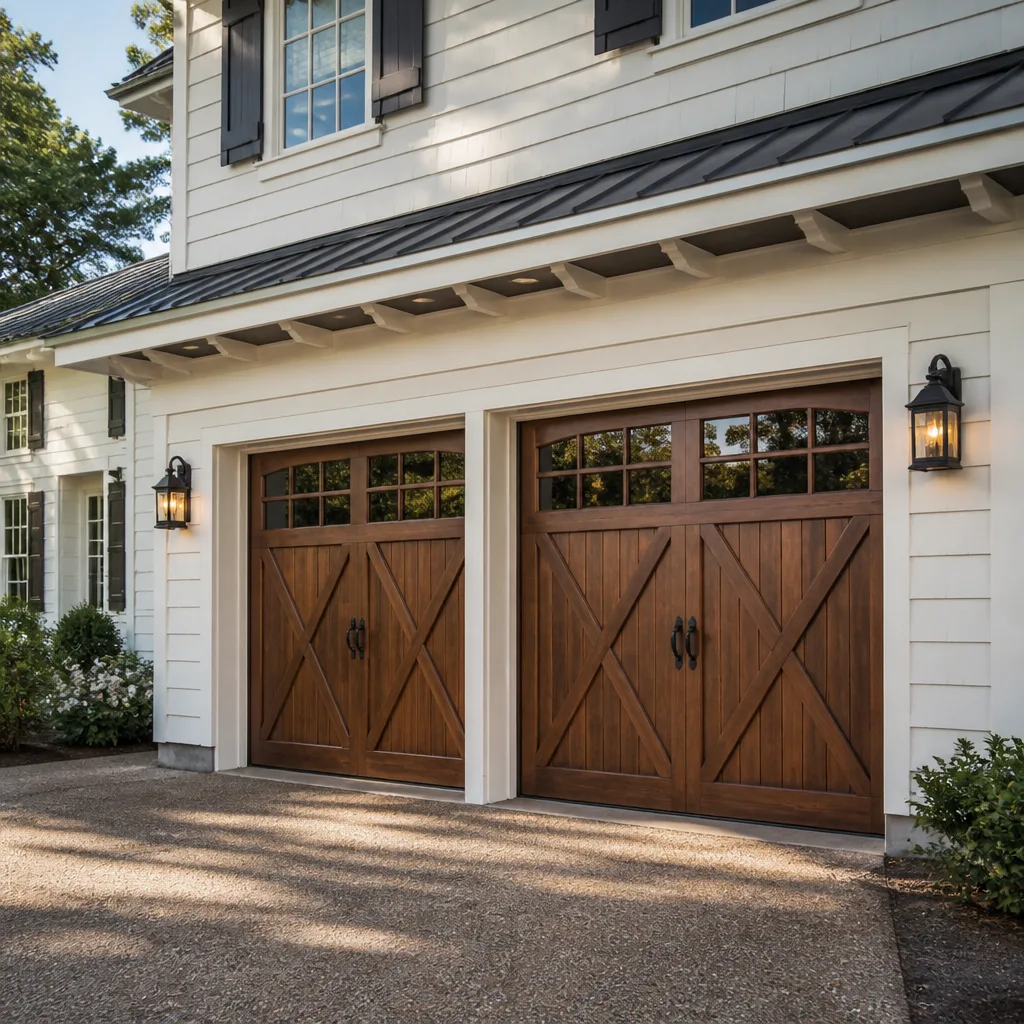 Carriage house
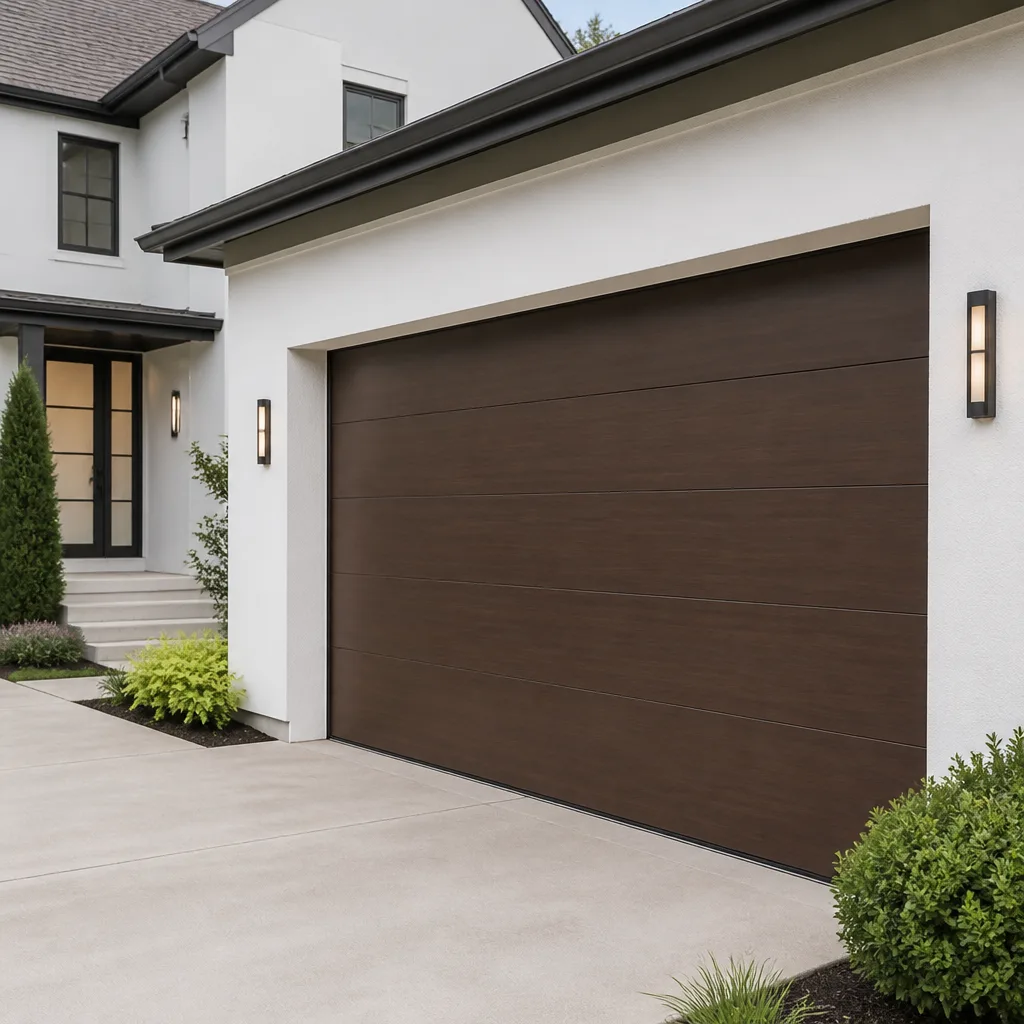 Modern flush
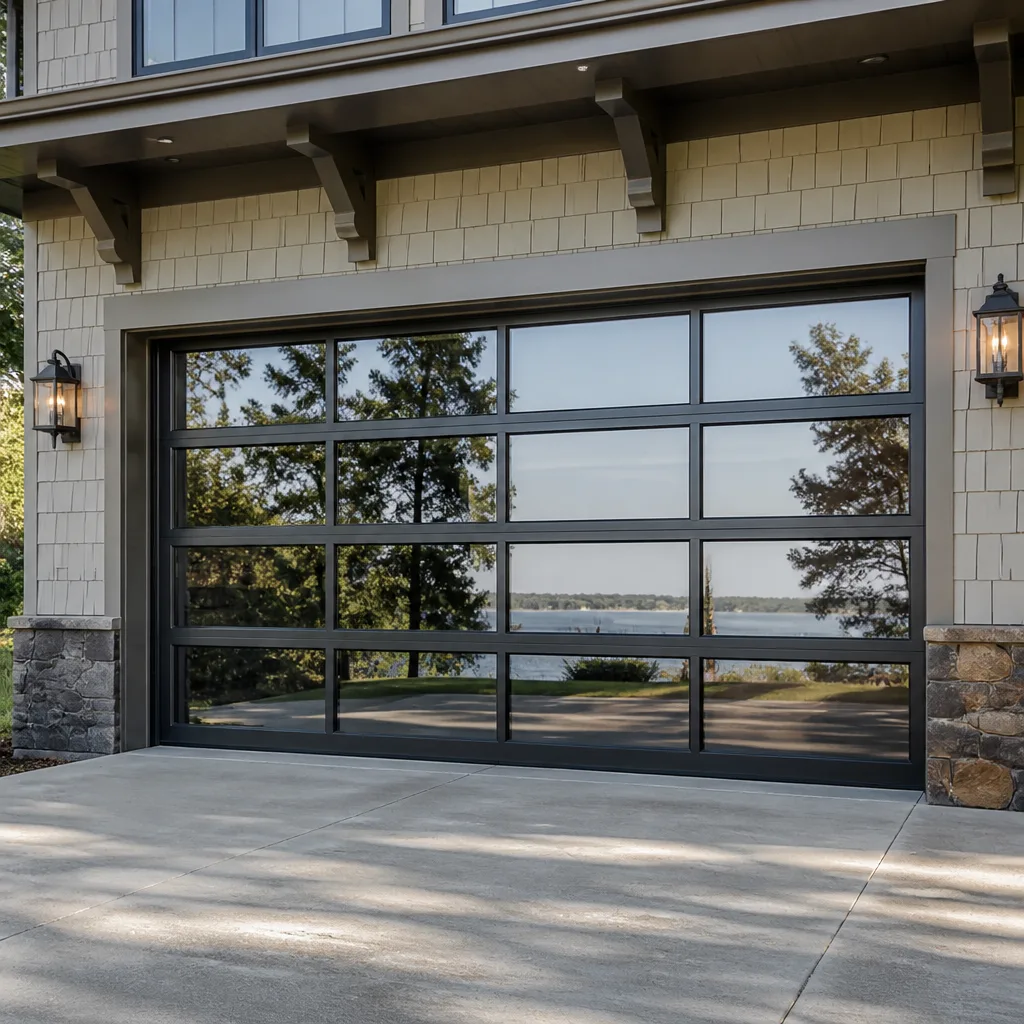 Full-view glass
 LiftMaster openers
 Chamberlain openers
Full 25-point door and opener safety check with every visit - springs, cables, rollers, tracks, and your LiftMaster or Chamberlain opener included
You get a price before we start. It does not change when the pro arrives.
Get your free estimateGarage Door Repair Maintenance Checklist for New Tampa Homeowners
The number one reason New Tampa homeowners call for emergency garage door repairs isn’t age or heavy use. It’s skipped lubrication on springs that corroded six months faster than the manufacturer expected, because Florida humidity never gives them a break. A door that looks fine from the driveway can be quietly rusting from the inside out. In this guide, we’ve built a maintenance checklist around what actually breaks in New Tampa, not what breaks in Minnesota. You’ll learn how often to lubricate in this climate, what to inspect before storm season, how to read the warning signs, and where the safe DIY line ends and a specialist needs to take over.
Sarasota, Lutz, Wesley Chapel, and every neighborhood in between share the same humid air, the same UV load, and the same storm-season stress. A checklist that fits New Tampa needs to account for all three.
Quick Answer
A New Tampa garage door needs a few owner-level checks every month (listen for odd sounds, check the balance, clear the safety sensors), a proper lubrication every 3 to 4 months instead of the once-a-year standard recommendation, and a professional inspection once a year plus a pre-hurricane-season check before Atlantic storm season peaks. Springs, cables, and bearings are best left to a specialist because they carry dangerous tension.
Styles & brands we work with
- Raised-panel steel
- Carriage house
- Modern flush
- Full-view glass
- LiftMaster openers
- Chamberlain openers
Table of Contents
- Why a Florida-Specific Checklist Matters
- Lubrication Schedule for New Tampa Humidity
- Pre-Hurricane Season Inspection
- Post-Storm Inspection Protocol
- UV and Heat Checklist
- What You Can Check vs. What Needs a Specialist
- Opener and Sensor Maintenance
- Is Your Door Balanced?
Why a Florida-Specific Checklist Matters
Most garage door maintenance advice floating around the internet was written for cooler, drier climates. It assumes a door that sees four mild seasons and a couple of deep freezes. New Tampa doesn’t work that way. Our doors face prolonged heat, intense sun, and a year-round humidity that goes to work on every metal part in a garage the moment the door closes.
The three forces that wear a door down in New Tampa are different from the forces a door faces almost anywhere else:
- Humidity. High moisture accelerates corrosion on steel torsion springs, cables, hinges, and roller shafts. A spring that might last years up north can show surface rust here in months if it isn’t lubricated.
- Heat and UV. Weatherstripping, seals, and the paint or finish on panels break down faster when the sun hits them day after day. Rubber cracks. Paint fades and chalks.
- Storm season. Heavy rain and high wind events put sudden load on tracks, cables, and seals. A door that’s slightly out of alignment can become a real problem after a storm.
That’s why a booster checkup in New Tampa should be scheduled around humidity and storm season, not around the first frost. If you’re near Wesley Chapel, Lutz, or the Seven Oaks side of town, the conditions are the same. The checklist below treats all of those the way a local specialist should.
Lubrication Schedule for New Tampa Humidity
Manufacturers often suggest lubricating your garage door once a year. In New Tampa, we recommend every 3 to 4 months instead. Humidity-driven corrosion is the leading cause of early spring failure here, and consistent lubrication is the simplest defense you have.
Here’s what to lubricate and how:
- Springs. A light coat on the coil prevents the surface rust that starts in humid months. Never try to adjust or handle a spring under tension – just lubricate what’s safely accessible and treat the rest as a specialist job.
- Hinges. A few drops at each hinge pivot point keeps the door moving quietly and reduces wear.
- Rollers. Steel rollers benefit most from lubrication in humid conditions. Nylon rollers need less, but a little still helps.
- Track. Use a light lubricant or a wipe of silicone along the channel. Avoid heavy grease, which collects dust and grit.
- Cables. Apply lubricant along the length rather than at the ends, and flag any fraying for a professional.
- Opener chain or screw drive. If your opener has one, a light application keeps it running smoothly whether it’s a LiftMaster, Chamberlain, Genie, or Craftsman unit.
The best time to lubricate is when the door is quiet for the day and you’re not about to run the opener repeatedly. Make it a habit every few months and mark it on the calendar. Humidity doesn’t take a season off, and neither should your maintenance. When in doubt, a lubricant made for garage door parts is worth the small cost versus a general household oil.
Pre-Hurricane Season Inspection
Before storm season reaches its peak, a garage door deserves a closer look than a normal month. Wind load puts pressure on parts you might ignore the rest of the year. Here’s what to prioritize:
- Cable tension. Cables should be evenly tensioned and free of fraying or kinks. A loose or worn cable under tension is dangerous – if something looks off, call a specialist.
- Bottom seal integrity. A cracked or loose bottom seal lets wind-driven rain and debris in and can flap under gusting. Check that the rubber is intact and seated along the whole width.
- Track alignment. The vertical and horizontal tracks should be plumb and square. Any bend or gap can cause the door to bind under load.
- Panel and hardware tightness. Loose bolts, brackets, and hinges are easy to overlook. Give everything a visual once-over and tighten only what’s clearly safe to tighten.
- Reinforcement. If your door uses wind-load reinforcement or a bracing kit, check that it’s intact and correctly attached.
New Tampa sits in an area where storm-season preparation is simply part of the calendar. Treating your garage door the way you treat your roof and windows makes sense. If you’re not sure a cable is safe to touch, don’t. High-tension parts are exactly where a professional inspection pays for itself.
Post-Storm Inspection Protocol
After a heavy rain or high wind event, a quick walk-through of the door catches problems before they turn into bigger repairs. This is one of the most overlooked parts of a New Tampa maintenance routine.
- Run the door and listen. Any new grinding, popping, or scraping after a storm signals something shifted.
- Look for water intrusion. Check along the bottom seal and around the perimeter. Puddling or dampness inside the garage points to a seal or alignment issue.
- Check the tracks. Look for debris, dents, or misalignment, especially if wind drove anything against the door.
- Test the opener. Confirm the door opens and closes smoothly and that the safety sensors still trigger a reversal.
- Inspect panels. Look for dents, cracks, or anything that looks like impact damage.
- Check the springs and cables. A glance is fine. If anything looks bent, frayed, or detached, stop using the door and call a specialist.
Most post-storm issues are minor and fixable, but a few are not. If the door comes off its track, hangs unevenly, or the opener strains to lift it, don’t force it. That’s when a call is the right move, and it’s where experienced garage door repair matters.
UV and Heat Checklist
Florida sun is hard on anything exposed to it, and garage doors see plenty. The rubber and paint that hold up elsewhere break down faster here. Here’s what to watch:
- Weatherstripping. Check the rubber seals along the sides and top. Cracking, brittleness, or gaps mean it needs replacing.
- Bottom seal. Look for cracks, flattening, or a gap against the floor. A failing seal lets water and pests in.
- Panel finish. Chalky, faded, or flaking paint means the protective layer is going. Re-sealing or repainting extends the finish’s life. Steel doors painting cleanly on a Clopay or Amarr panel still need the right product for the finish.
- Windows and inserts. Check plastic or glass panels for cracks or cloudiness. Heat and sun stress them over time.
- Paint and metal finish. Wood and steel doors especially need a periodic finish check in this climate. A fresh coat in the dry season holds up better than touching up mid-summer.
The finish and sealing side of maintenance is the part most people ignore until the door looks tired. Handling it early is cheaper than replacing a panel. And it’s easier to stay ahead of if you check seasonally rather than waiting for visible damage.
What You Can Check vs. What Needs a Specialist
A clear line between safe owner tasks and specialist tasks keeps you and your door safe. Here’s how we’d divide it:
Monthly owner tasks
- Run the door and listen for new noises
- Test the safety sensors by blocking the beam
- Check the balance by hand (door halfway, then let go)
- Wipe down the tracks and clear debris
- Look over the seals and weatherstripping
Seasonal owner tasks
- Lubricate springs, hinges, rollers, and track (every 3 to 4 months given local humidity)
- Tighten visible bolts and brackets
- Check panel finish and paint condition
Specialist tasks
- Replacing torsion or extension springs
- Working on cables, drums, or anything under high tension
- Track realignment or replacement
- Opener motor or circuit-board repair
- Full door installation or replacement
- Any repair after a storm that shifted the door
The dividing line matters because the high-tension parts can cause serious injury. Springs and cables store enormous energy, and a mistake can be dangerous even for someone who’s handy. A specialist has the tools, the training, and the parts. When in doubt on the specialist side, call us – it’s never worth the risk to guess.
Opener and Sensor Maintenance
The opener gets less attention than the door, but it’s half the system. Whether you have a LiftMaster, Chamberlain, Genie, or Craftsman opener, the maintenance is similar:
- Test the auto-reverse. Put a small object in the door’s path and confirm the door reverses on contact. This is a safety feature and needs to work every time.
- Clean the safety sensors. The two sensors near the floor should be aligned and free of dirt or cobwebs. A blocked sensor is the most common reason a door won’t close.
- Check the force settings. A door that’s straining to lift may need the opener’s force setting adjusted, or the door may be out of balance.
- Listen to the chain or belt. Grinding or squealing signals wear or a dry drive.
- Replace remote batteries. A surprisingly common “the door is broken” call is a dead battery.
- Test one remote and the wall button. If one works and the other doesn’t, it’s usually a programming issue, not a motor failure.
If the opener runs but the door doesn’t move, or the door moves but the opener seems weak, the problem might be the door rather than the motor. Getting that right saves you from replacing the wrong part. Our garage door opener repair covers the most-used brands, and we can often tell from a quick conversation which side of the system is failing.
Is Your Door Balanced?
A balanced door should hold its position when you let go halfway up. If it slams shut or drifts up, the springs or cables are out of adjustment and the opener is working harder than it should.
- Close the door and disconnect the opener (usually a pull cord).
- Lift the door by hand about halfway and let go.
- Watch what happens. A door that stays put is balanced. A door that drops or rises needs attention.
- Reconnect the opener and call a specialist if the door failed the test.
Never try to adjust a spring yourself to fix balance. That’s the single most dangerous part of any garage door, and it’s why spring repair is a core service we handle directly rather than subcontracting. In New Tampa humidity, springs corrode and weaken over time, so balance can drift slowly. A yearly check catches it early. If you’re already hearing strain or seeing a gap at the bottom, an garage door installation or replacement may be the smarter long-term call than repeated repairs on a worn door.
Whatever brand is on your door, we work on it. If you’re not sure what you have, a Wayne Dalton or Raynor panel is usually easy to identify by the label, and that helps us send the right parts. We sell parts directly, which means fewer return trips and a faster fix.
Common Mistakes to Avoid
- Greasing the track. Heavy grease collects grit in humid air and turns the track into a grinding mess. Use a light lubricant instead.
- Skipping lubrication because the door “still works.” Working isn’t the same as protected. Springs rust quietly, and the first sign is often a failure.
- Trying to adjust a torsion spring yourself. The stored energy in a wound spring can cause serious injury. Leave it to a specialist.
- Ignoring a small track dent. In New Tampa, a slightly bent track can turn into a door that comes off the rails under storm load. Fix small alignment issues early.
- Waiting until storm season to check seals. Bottom seals and weatherstripping degrade gradually. Check them before the rains, not after the first leak.
- Replacing the opener when the door is the problem. A strained opener is often a symptom of an unbalanced door, not a bad motor.
- Assuming new means maintenance-free. A new door still needs lubrication, seal checks, and finish care. The climate doesn’t spare new installations.
See the difference
 Before
 After
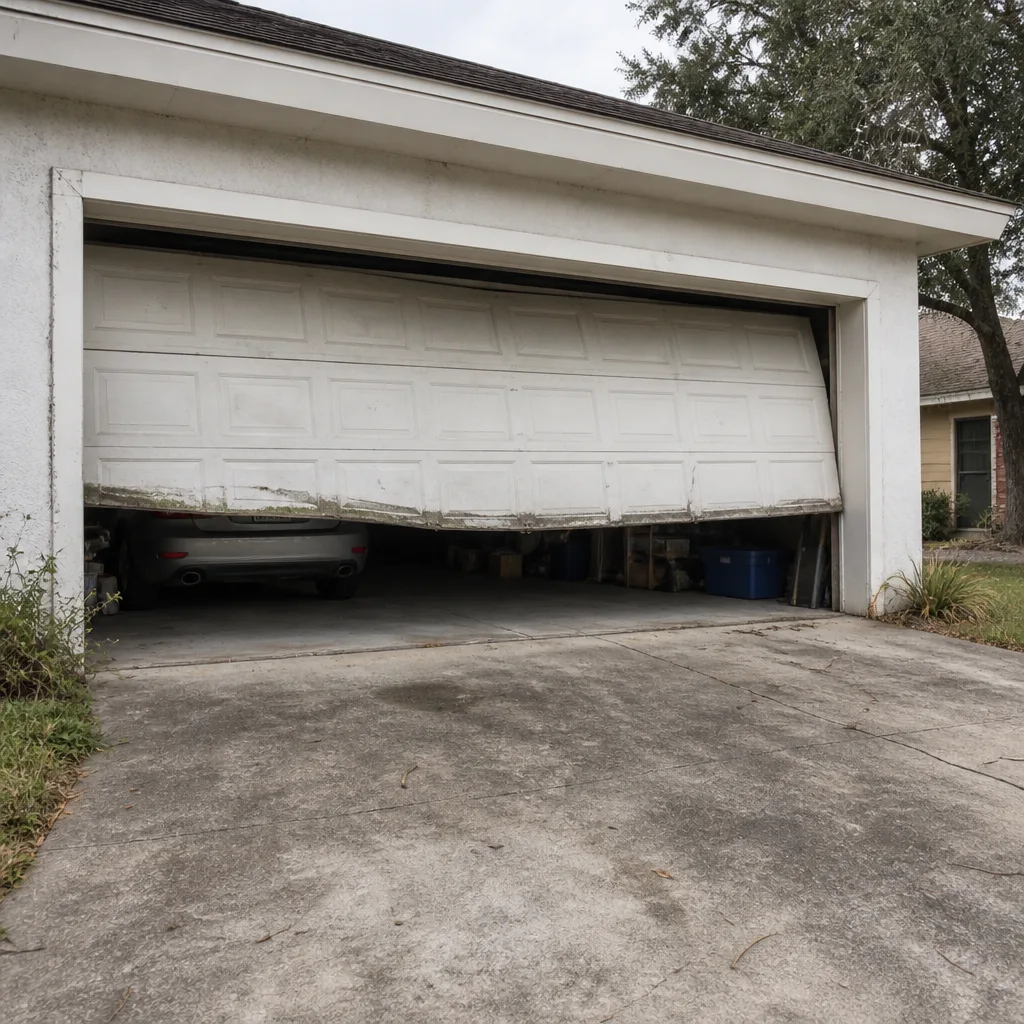 Before
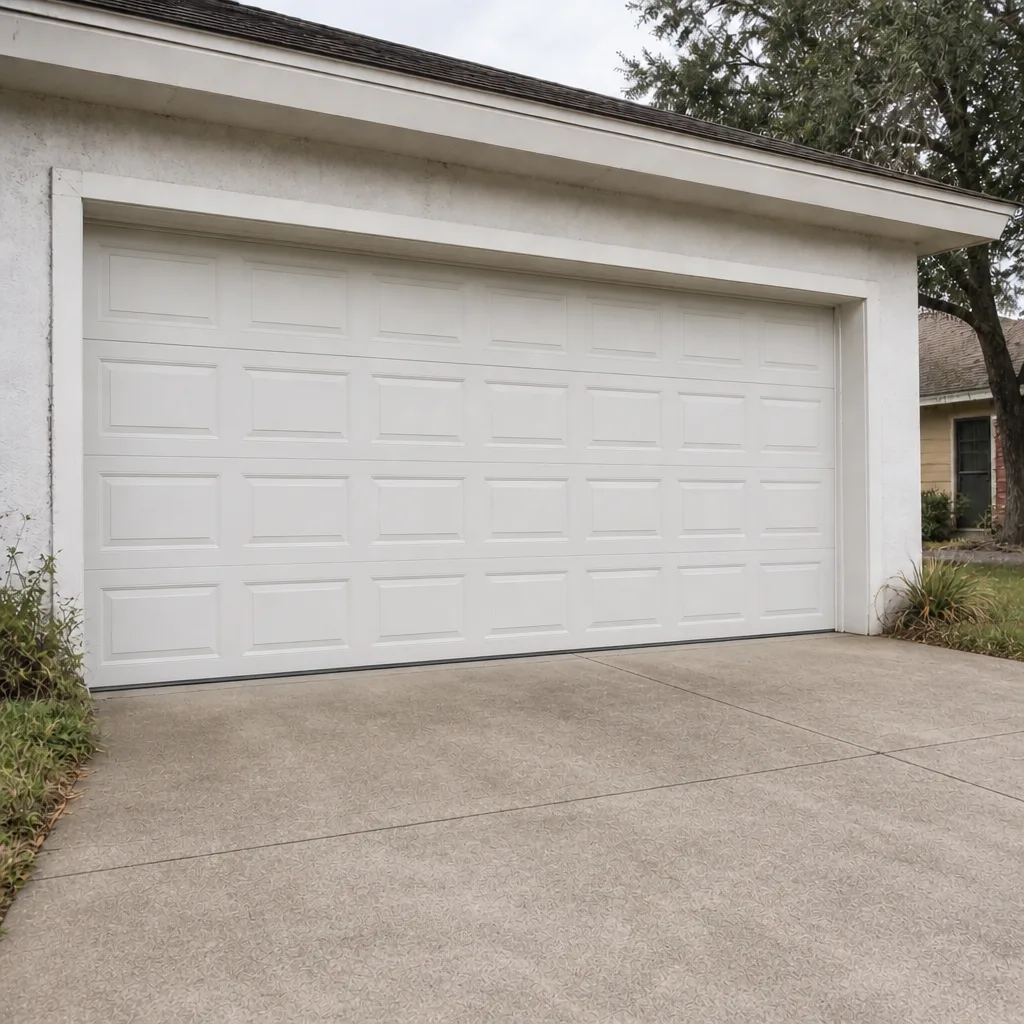 After
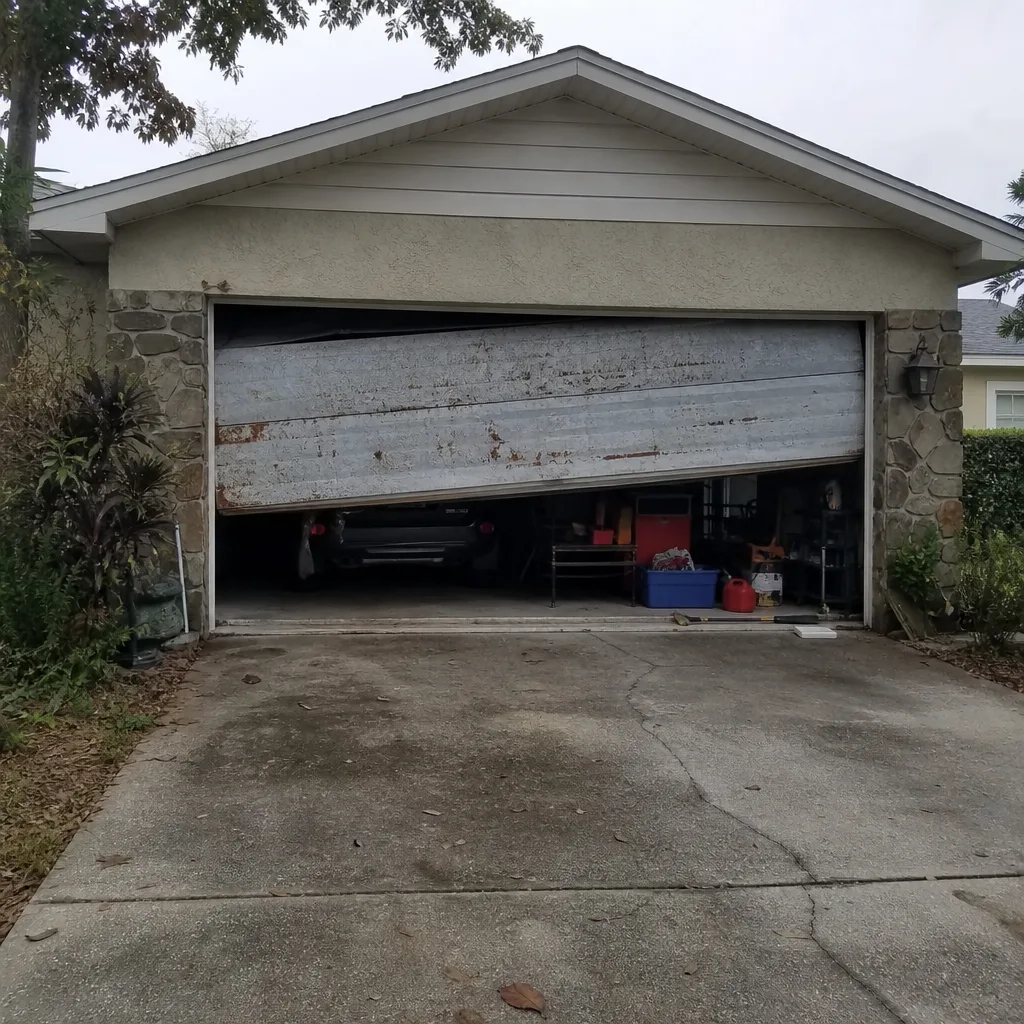 Before
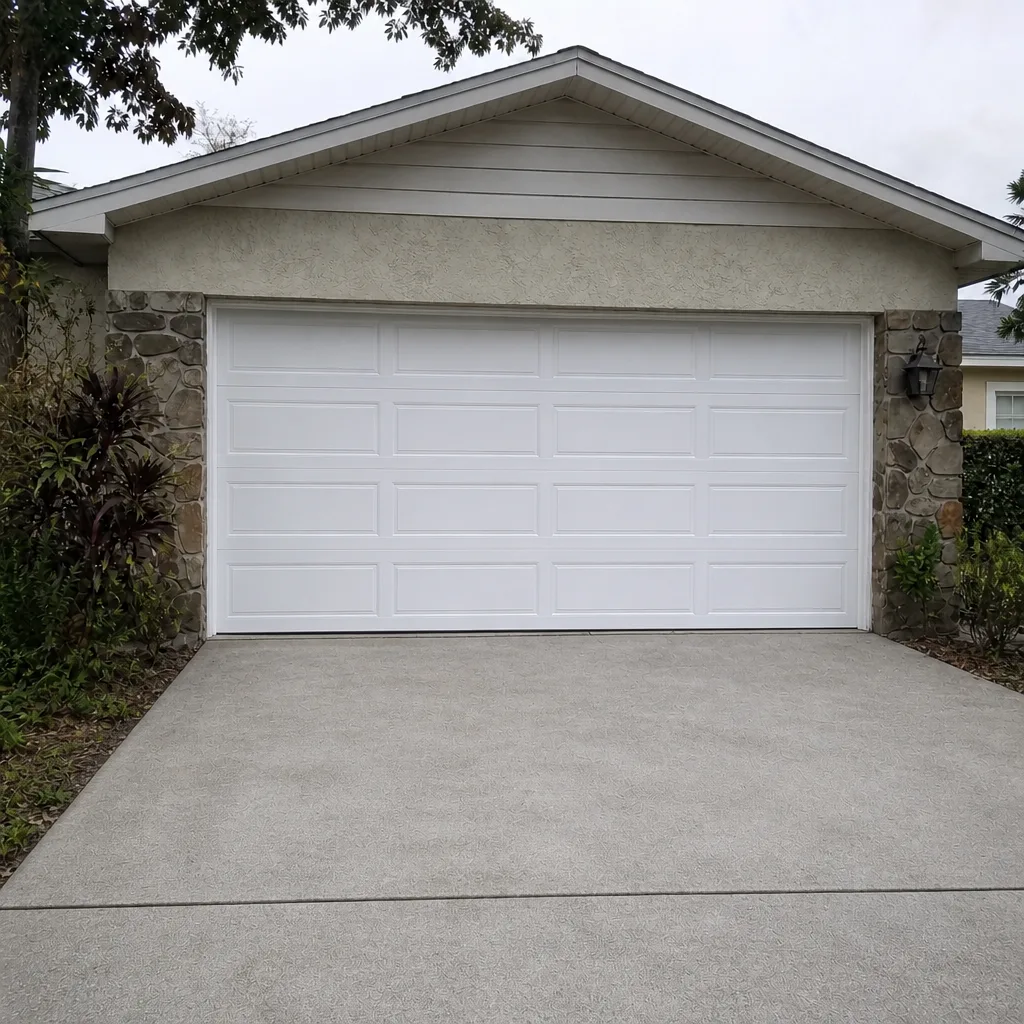 After
When to Call a Professional
Some symptoms are an owner-level fix. Others mean stop and call. Get a specialist involved if the door comes off its track, the springs are visibly rusted or broken, you hear a loud bang from the garage, the door hangs unevenly or drops on one side, the opener strains or runs but the door doesn’t move, or you see frayed cables. Any of these point to high-tension parts that shouldn’t be handled by anyone without the right tools. Garage Door Repair New Tampa offers free estimates in New Tampa – call (844) 443-4770. Our technicians have up to 8 years of experience, and we’ll tell you plainly what’s needed.
Frequently Asked Questions
Every 3 to 4 months instead of the once-a-year standard recommendation. Humidity accelerates corrosion on springs, cables, and hinges, so more frequent lubrication is the simplest way to extend their life. Call (844) 443-4770 if you’d like a professional lubrication and inspection.
Most routine maintenance visits, including lubrication, balance checks, and hardware tightening, fall in a modest range compared to a repair, and a spring or cable replacement costs more. A pre-storm inspection is often bundled with service. Call (844) 443-4770 for an exact quote – estimates are free.
Applying a light coat of lubricant to the outside of the spring is generally safe. Never adjust, unwind, or attempt to replace a spring yourself – the stored energy can cause serious injury. A specialist handles anything that involves adjusting the tension.
Run the door, listen for new noises, check the tracks and bottom seal for misalignment or water, and confirm the opener and safety sensors work. If the door is off its track or hangs unevenly, stop using it and call a specialist.
Yes, one pre-season inspection is worth the time. It focuses on cable tension, bottom seal integrity, and track alignment under wind load. Wind-driven rain and gusts find weaknesses that a quiet-season door hides.
You can do the owner-level tasks – listening, testing sensors, checking balance by hand, and lubricating accessible parts. Anything involving springs, cables, track replacement, or opener internals should go to a specialist. When in doubt, call (844) 443-4770.
The Bottom Line
A garage door that lasts in New Tampa is one that’s maintained for New Tampa, not for a colder climate. That means lubricating every 3 to 4 months, inspecting cables, seals, and tracks before storm season, winter-proofing nothing but sun-proofing everything, and knowing where the safe DIY line ends. Handle the owner-level checks monthly, get a professional inspection yearly, and call the moment something feels wrong with the high-tension parts. That routine is what keeps a door quiet, balanced, and working when you need it most.
From a broken spring to a brand-new door, one call covers it. We know the quirks of every major brand, and we keep parts on hand so your door gets fixed faster.
Contact Us
Ready to get your door on a maintenance schedule built for New Tampa? Call Garage Door Repair New Tampa at (844) 443-4770 for a free estimate. Our technicians are experienced across eight leading brands and handle everything from routine upkeep to Garage Door Repair New Tampa and parts supply. Your written estimate is agreed before any work starts.
Written by the team at Garage Door Repair New Tampa.